
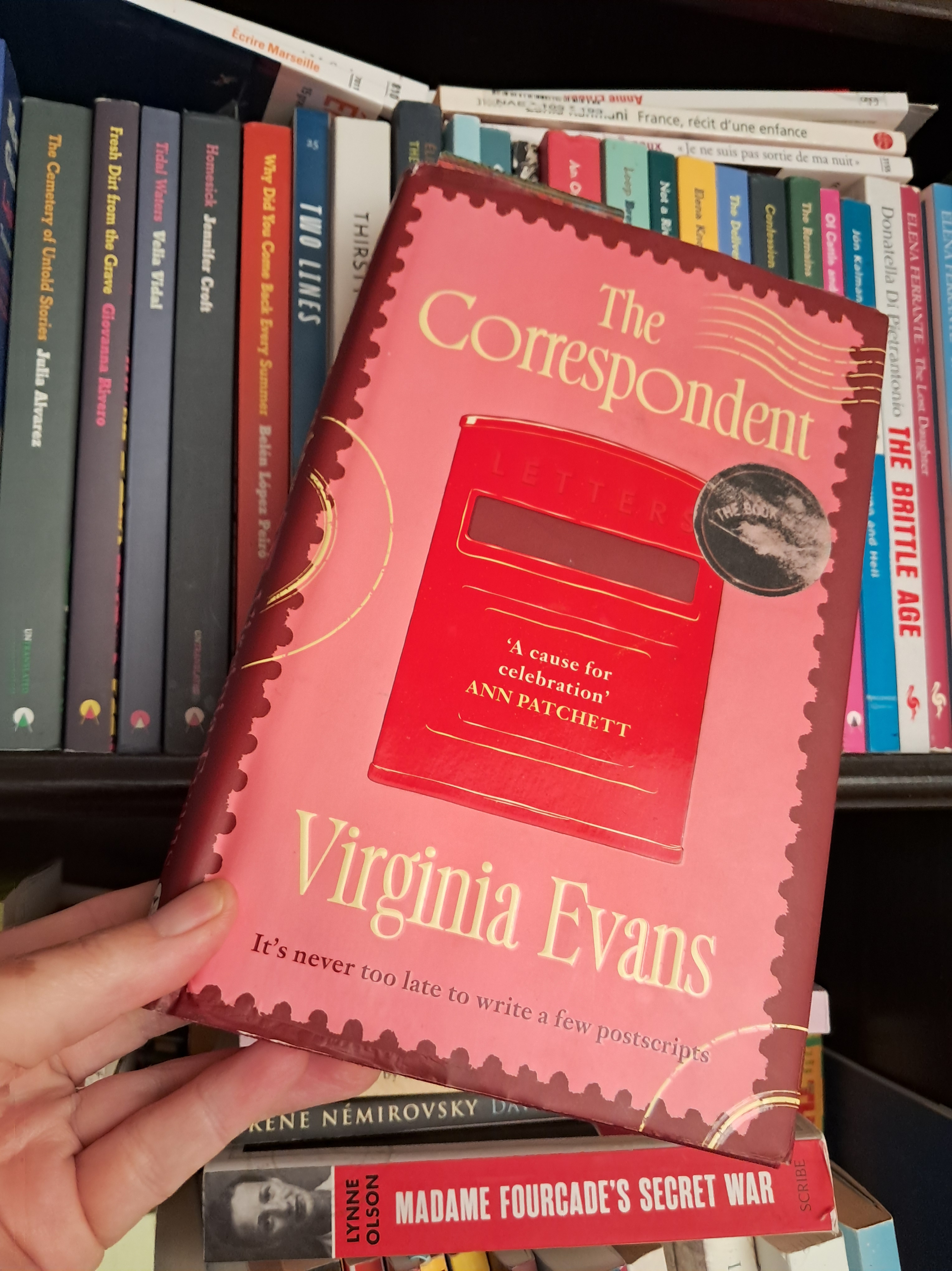
This book is one of those word of mouth sensations that people recommend and then it takes off. I had seen it reviewed a little earlier in the year, then a friend bought a copy and devoured it over the summer telling me this was the book, we were all going to have to read, to have that collective pleasure of knowing that people close to you, but who don’t necessarily live near you, can be on the same wavelength about a book.
One of the first things I say to reader friends who do live nearby, or visit here often and know, is that the first letter is written to the protagonist’s brother and he lives in Gordes!
How often do we encounter a book written in English that features a local postcode? Almost never! Well, only the letters travel to Gordes, but before sharing more about a book, here’s a little more about Gordes.
A Letter to Gordes
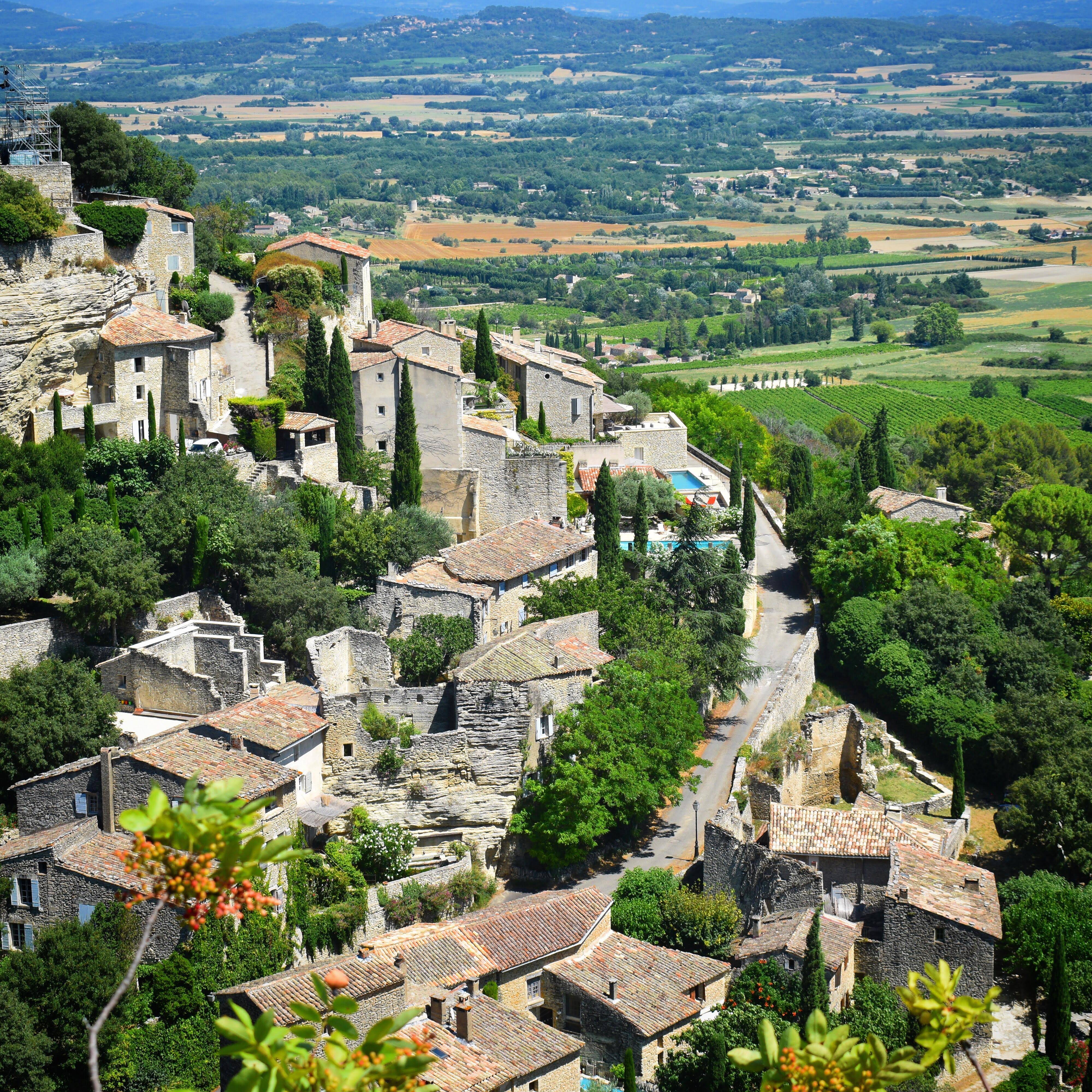
So for those who don’t know Gordes is a pretty hilltop village in Provence, in the north Luberon area that is popular in summer with tourists for its summer market, restaurants and local produce, outstanding views, lovely walks and very beautiful old streets. Also a location for a few films.
When you stay longer in Provence and get to know some of its hidden aspects, its wonderful, cultural gems often arise unexpectedly, when you least expect it. As this one did.
Victor Vasarely and Gordes
A few years ago I watched a documentary (probably on ARTE) about Gordes and how it was stumbled upon in 1948 by the French-Hungarian graphic artist Victor Vasarely (1906-1997), who had a ‘coup de foudre‘ for the village, he fell under the charm of its architecture, colours and shapes, the light and luminosity.
He would spend many summers in a very basic shepherd’s cottage 2-3 kilometres from the village, reproducing some of its shapes, feeding into the inspiration for much of his abstract creative work with shape, form and optical illusion. From the inspiration of a small window in that cottage in differing light, he would produce many works, many of them suspended tapestries, little acknowledged at the time, but today housed in the Musée Vasarely, in Jas de Bouffan, Aix en Provence.

In effect, as his grandson Pierre Vasarely said, referring to his grandfather’s oeuvre, if there was not (the inspiration of) Gordes, there would not be (the museum of works) Aix-en-Provence.
The Correspondent, A Novel
Back to the novel, The Correspondent is a heart-warming novel told through the collection of letters, hand-written notes, emails, any and every type of correspondence that Sybil Van Antwerp (her married name thanks to her Belgian husband now living back in Brussels) writes in her seventy -third year.
Every morning at half past ten Sybil sits at her desk to deal with her correspondence, tackling it like a job, except with much more pleasure, her years as the assistant to the Judge giving her the discipline, intellectual acuity, at times a sharp tone and years of a certain type of wisdom she uses to her advantage.
So Much to Write About and Address
There are a number of threads, correspondents, favorite topics, institutions to harass, family dramas to navigate, interested or prospective men to consider or keep at a distance, an ex-husband who is not well, a best friend who likes to read, a daughter she doesn’t see eye to eye with.
Ten Years of Correspondence
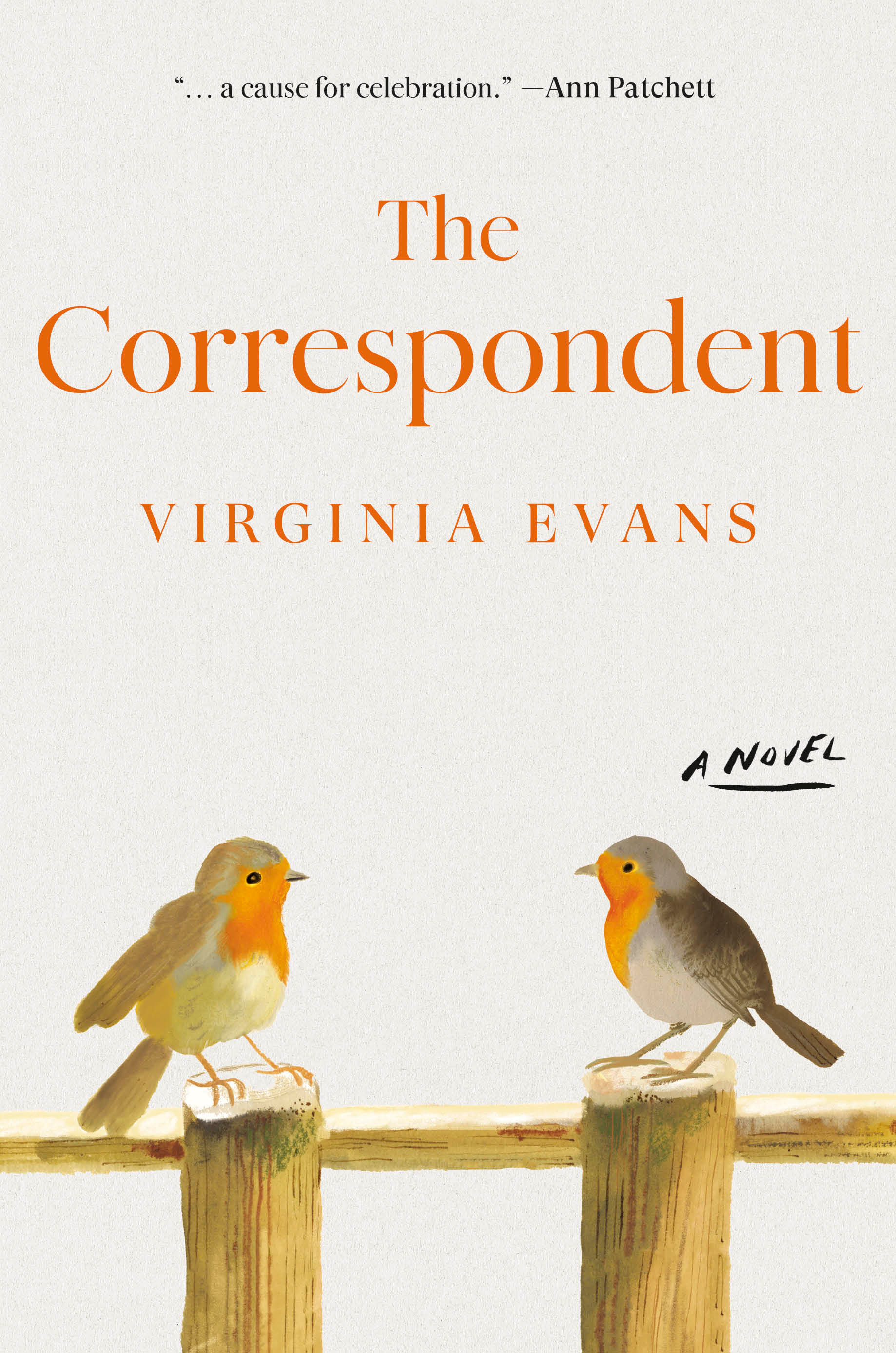
The narrative begins in June 2012 with that letter to Felix, about whose life we also have a little drama and it does seem to be affected by Syblil’s input, and ends in January 2022.
There are also a few letters from the 1950’s when she was a child that her best friend Rosalie sends her, these two have corresponded for many years and keep each other informed about their lives and sometimes they even fall out with each other, creating periods of silence and atonement.
Authors and Book Recommendations
Sybil and Rosalie always tell each other what they are reading and I began to note down these books in a list. Sybil never hesitated to write to authors, and had a particular fondness for writing to Joan Didion, author of The Year of Magical Thinking and Blue Nights. Her letters to Didion are the most intimate of all, showing part of her character, feeling more able to open up to a stranger with whom she feels an affinity than to her best friend, children, or either of the men she is sort of interested in.
They read Ann Patchett’s State of Wonder, Abraham Verghese’s Cutting for Stone, Agatha Christie’s Murder on the Orient Express, another classic novel of letters 84 Charing Cross Road by Helene Hanff, Lonesome Dove by Larry McMurtry and many more.
In the letters from the 1950’s the girls were reading C.S. Lewis’s Space Trilogy and Isaac Asimov.
Like the heroine of “The Correspondent,” Evans is a correspondent in the old-fashioned sense. For years she has been writing letters, mainly in longhand, to friends, family and writers she didn’t expect to hear back from, such as Joan Didion and Larry McMurtry. After reading Ann Patchett’s 2016 novel “Commonwealth,” Evans wrote to the author to tell her how much she liked it. Patchett wrote back.
I couldn’t help noticing that I had read many of the books mentioned and laughed when I read this quote above in an interview, as a friend gave me Commonwealth a week ago. Now I’m curious, a potential Christmas read perhaps.
Intimate With Strangers
In addition to opening up to Didion, Sybil becomes very familiar with the Admin person from the Kindred Project after receiving a not particularly wanted gift of a DNA search. She asks multiple questions, not all of them concerning herself and ignores the fact that the responses seem standardised. She can be very insistent and often gets her own way, even with complete strangers, shades of her law career, her persistence and not always keeping terribly good boundaries.
However, there is a menace present, someone perhaps from her past, a legal case that sits in the back of her mind that she can’t quite recall, something she has pushed down, but senses with a tinge of regret. That needs addressing. She hasn’t told anyone about this; it adds an element of foreboding to her otherwise, in control, life.
When I play it all back I am ashamed, and yet I cannot imagine having done any other thing. Grief shared, I think, can produce two outcomes. Either you bind yourselves together and hold on for dear life, or you let go and up goes a wall too high to be crossed. For us it was the latter.
Does Persistence Pay Off?
Sybil likes learning and has been taking a university literature class for at least nine years before they found a loophole to exclude her. Now she is hellbent on retrieving that place, because she does not like being excluded from anything she did not decide to exclude herself by choice. And so we have the back and forth correspondence, until finally something must actually be done about it.
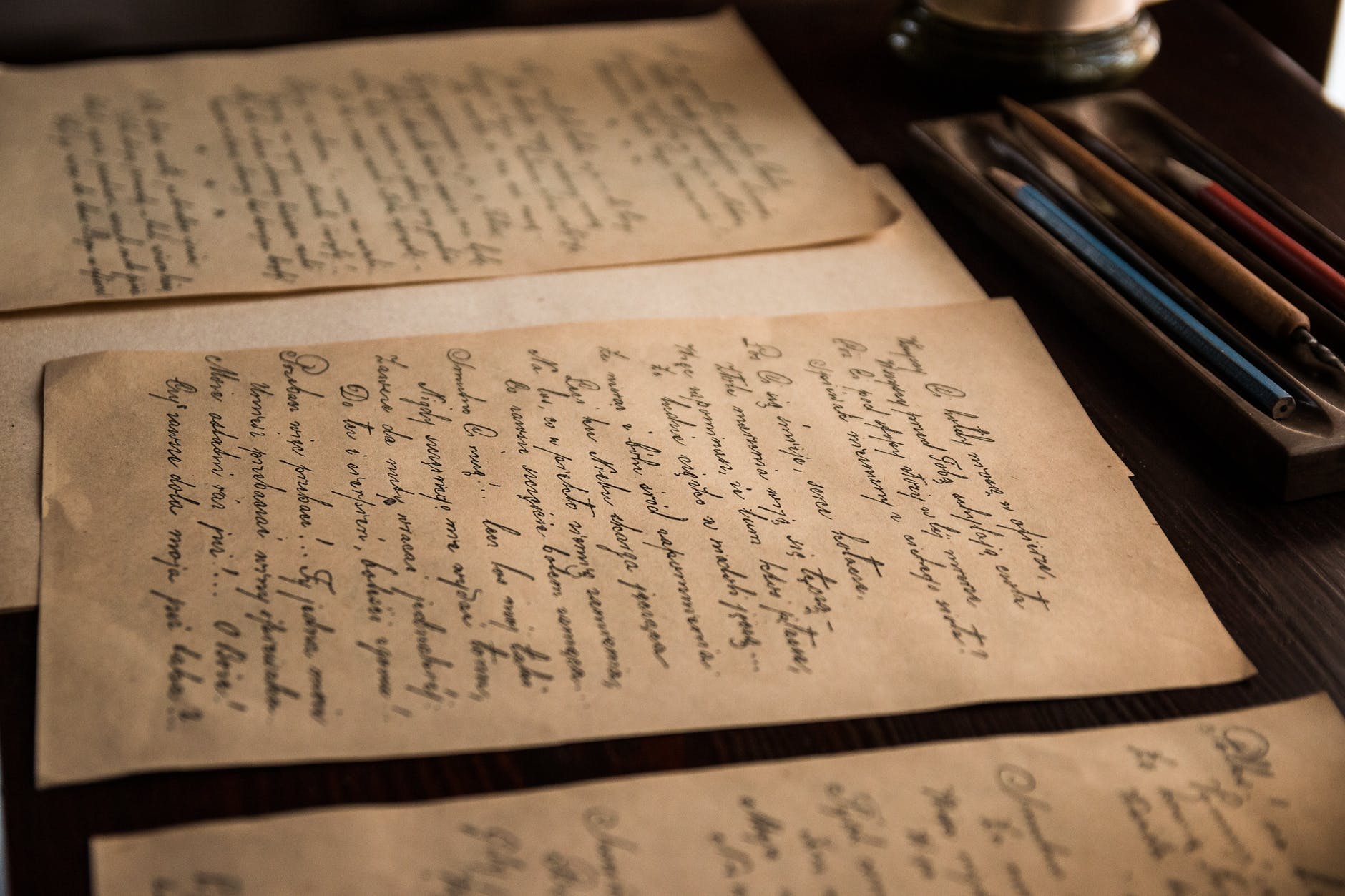
Even when Sybil acts, we know about events from follow up correspondence and yet when you finish reading the novel, it almost doesn’t seem like it has all been told through letters, as the story telling is comprehensive, the characters are well rounded and even the drama brilliantly captured.
As Sybil’s sight is failing and there arrives a kind of crescendo in her life where the mundane will no longer do, it becomes time to engage with what has been ignored or suppressed and own her part in it, we witness her own transformation having seen that of those around her through her interactions with them.
This was entertaining, heartfelt, empathetic and fun while dealing with issues around friendship, sibling relationships, mother daughter dynamics, old regrets, grief and reconciliation. And the mystery of one very long unsent correspondence, a need to reckon with a loss she has kept close to her chest these past thirty years.
A beautiful, thought provoking read, especially if you’ve had to deal with any of the issues our protagonist struggles with. An ideal Christmas gift novel for anyone who loves books and letters!
Highly Recommended.
Getting to your questions about the letter writing. I’ll start by saying your note heartened me because here is a secret: my letters have been far more meaningful to me than anything I did with the law. The letters are the mainstay of my life, where I was only practicing law for thirty years or so. The clerkship was my job; the letters amount to who I am.
Further Reading
Interview: Washington Post – The story behind the feel-good novel of the year, Nov 26, 2025
It would not be a spoiler to say that though “The Correspondent” offers solace, the story is both happy and sad. As Sybil, an opinionated retired lawyer, interacts with various people — a customer service agent, her children, her best friend, her ex-husband and more — readers come to see the complexity of her experience and choices, and how they have informed her sometimes cantankerous attitude.
Author, Virginia Evans
Virginia Evans is from the East Coast of the US. After starting a family she returned to school for her Master’s of Philosophy in creative writing at Trinity College in Dublin, Ireland. She lives in North Carolina.
 Salt Creek is a powerful and riveting account of a family struggling to make a living in the harsh environment of coastal South Australia, depicting the pioneering patriarchal entrepreneur and his devoted but long-suffering wife, and the children that will grow up with both an attachment to the place and an instinct to escape it. This story gets inside you and makes you feel the struggle and the dilemma, and wish that it could have been different.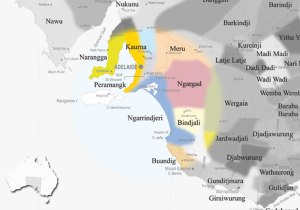

 The arrival of European settlers, their desire to own and restrict land, to create boundaries, while beneficial to their capitalist desires, becomes increasingly detrimental to the way of life of the indigenous people, as they pollute their fresh water access, introduce sickness and disease and contemplate removing their children.
 Word by Word