
It’s nearing the end of the year and some of the book awards I have been following have made their announcements, while others like the Dublin Literary Award 2026 are sharing their nominations for next year.
Booker Prize Winner 2025
From the Booker shortlist of six novels, the prize went to Flesh by Hungarian-British writer David Szalay, a novel that follows a man from adolescence to old age as he is unravelled by a series of events beyond his grasp. It asks profound questions about what drives a life, what makes it worth living, and what breaks it.
The judges chose it for its singularity and said:
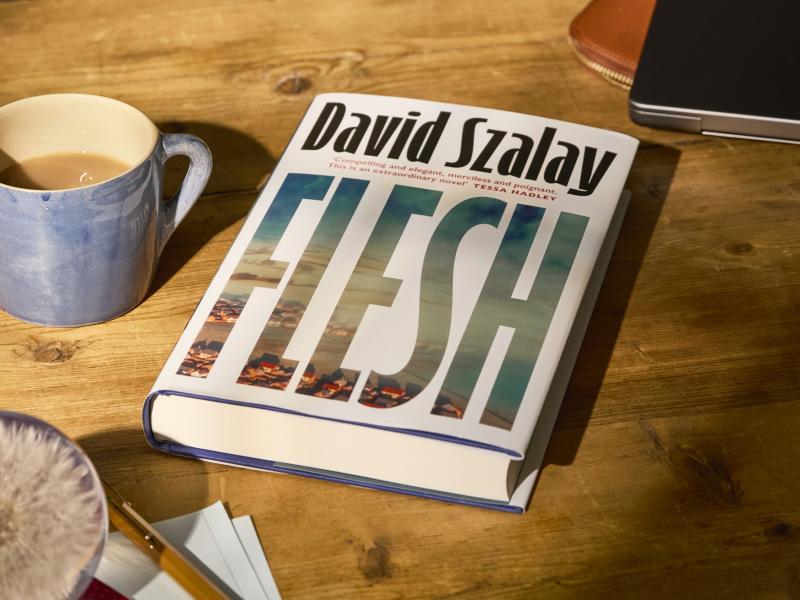
‘At the end of the novel, we don’t know what the protagonist, István, looks like but this never feels like a lack; quite the opposite. Somehow, it’s the absence of words – or the absence of István’s words – that allow us to know István. Early in the book, we know that he cries because the person he’s with tells him not to; later in life, we know he’s balding because he envies another man’s hair; we know he grieves because, for several pages, there are no words at all.
‘I don’t think I’ve read a novel that uses the white space on the page so well. It’s as if the author, David Szalay, is inviting the reader to fill the space, to observe – almost to create – the character with him. The writing is spare and that is its great strength. Every word matters; the spaces between the words matter. The book is about living, and the strangeness of living and, as we read, as we turn the pages, we’re glad we’re alive and reading – experiencing – this extraordinary, singular novel.’
And this from Keiran Goddard at the Guardian:
‘There will be a temptation to pigeonhole Flesh as a novel about masculinity; its silences and its contortions, its frustrations and its codes. But while that is clearly a central concern, Szalay is also grappling with broader, knottier, more metaphysical issues. Because, at its heart, Flesh is about more than just the things that go unsaid: it is also about what is fundamentally unsayable, the ineffable things that sit at the centre of every life, hovering beyond the reach of language.’
I haven’t read ‘Flesh‘ and I’m on the fence about it based on reviews I’ve read, the lack of interiority, the focus on toxic masculinity and comments on the base dialogue. I still remember the first time I heard about it on the Irish Women’s Summer Reading podcast live at Kildare Village, but I am yet to be convinced I would enjoy it and I am not curious enough to consider it for its “singularity“.
Warwick Prize for Women in Translation Winner 2025
From their shortlist of six novels by women in translation that included works from French, Hungarian, Korean, Romanian and Swedish, the Warwick Prize this year went to :
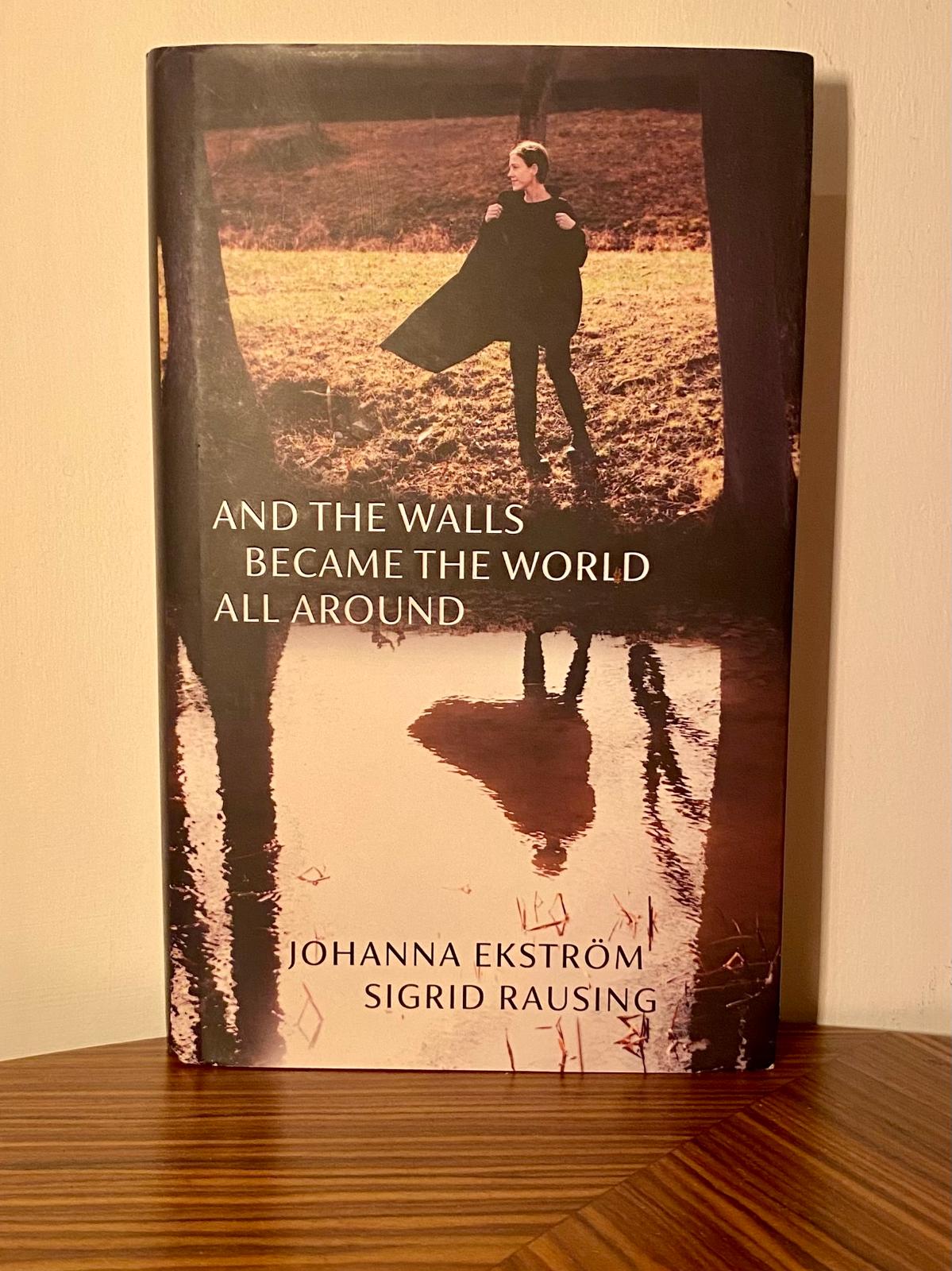
And the Walls Became the World All Around by Johanna Ekström & Sigrid Rausing,
translated from Swedish by Sigrid Rausing
published by Granta.
This book is a memoir created from 13 handwritten notebooks that Johanna Ekström (1970-2022) asked her friend Sigrid Rausing to finish.
First published in Swedish in 2023, it has been described as a literary experiment, a continuation of 30 years of friendship, and a deep meditation on grief.
“Just as the end of life will take us into unknown territory, so this extraordinary book pioneers new ways of thinking, feeling and writing about losses of many kinds.
Sigrid Rausing’s completion of, and commentary on, her friend Johanna Ekström’s final notebooks is not just a poignant and powerful double memoir: it is a record of a distinguished writer’s last years and the friendship she inspired.
Its language, beautifully chosen and artfully translated, helps us confront and understand grief and absence. But it also permits us to celebrate a unique inner life of dreams and visions that now survives in memories, and words.”
Warwick Prize for Women in Translation Highly Commended
The judges also highly commended:
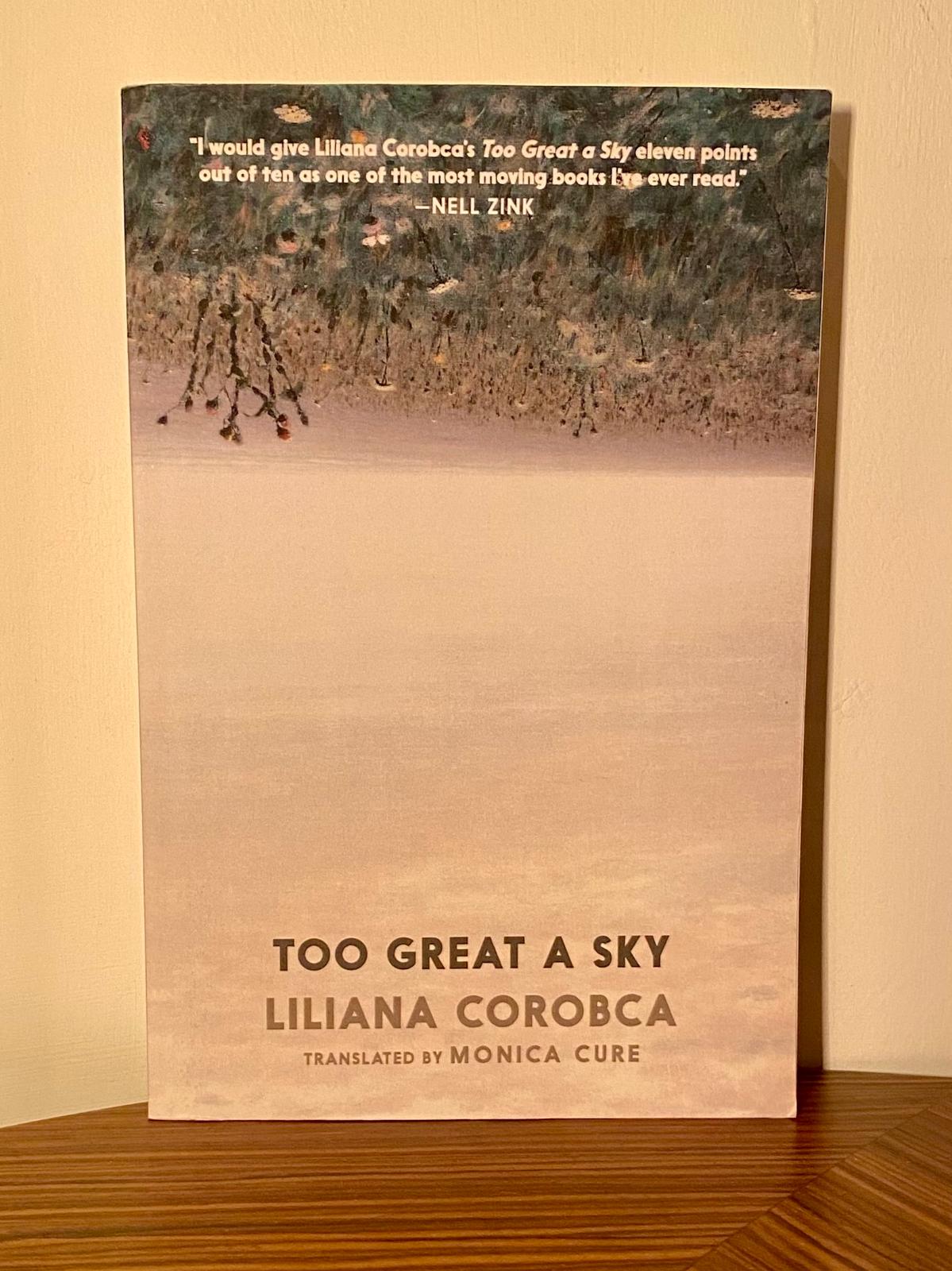
Too Great A Sky, by Liliana Corobca,
translated from Romanian by Monica Cure
published by Seven Stories Press UK:
“This prose epic not only tells an astonishing, but largely forgotten, story of suffering and endurance amid the terrors of total war; Liliana Corobca also turns her historical research into the experience of Romanians deported by Soviet authorities from Bucovina to Kazakhstan into captivating fiction.
In Monica Cure’s immersive translation, the narrator’s voice seasons horror and upheaval with humour, resilience and folkloric charm as she recounts the ordeal of the deportees and the ways they survived it. This mighty, moving novel transforms fact into art, and brings ancient storytelling skills to bear on modern tragedies.”
Both these sound excellent and I’m definitely keen to read them, so watch this space for future reviews once I manage to get hold of copies. Ask your library to get these in, if they have a copy already, I’d love to hear what you think of them if you’re also interested to read them.
An Post Irish Book Awards 2025
I didn’t create a post this year for the Irish Book Awards but I like to read Irish literature, so I keep an eye on it, in particular fiction and memoir/biography.
Exclusively Irish, inclusive in every other sense, the An Post Irish Book Awards brings together the entire literary community – readers, authors, booksellers, publishers and librarians to celebrate Irish writing.
A reminder of the shortlist for fiction, from which I have reviewed two. You can read the shortlists of the other prizes here.
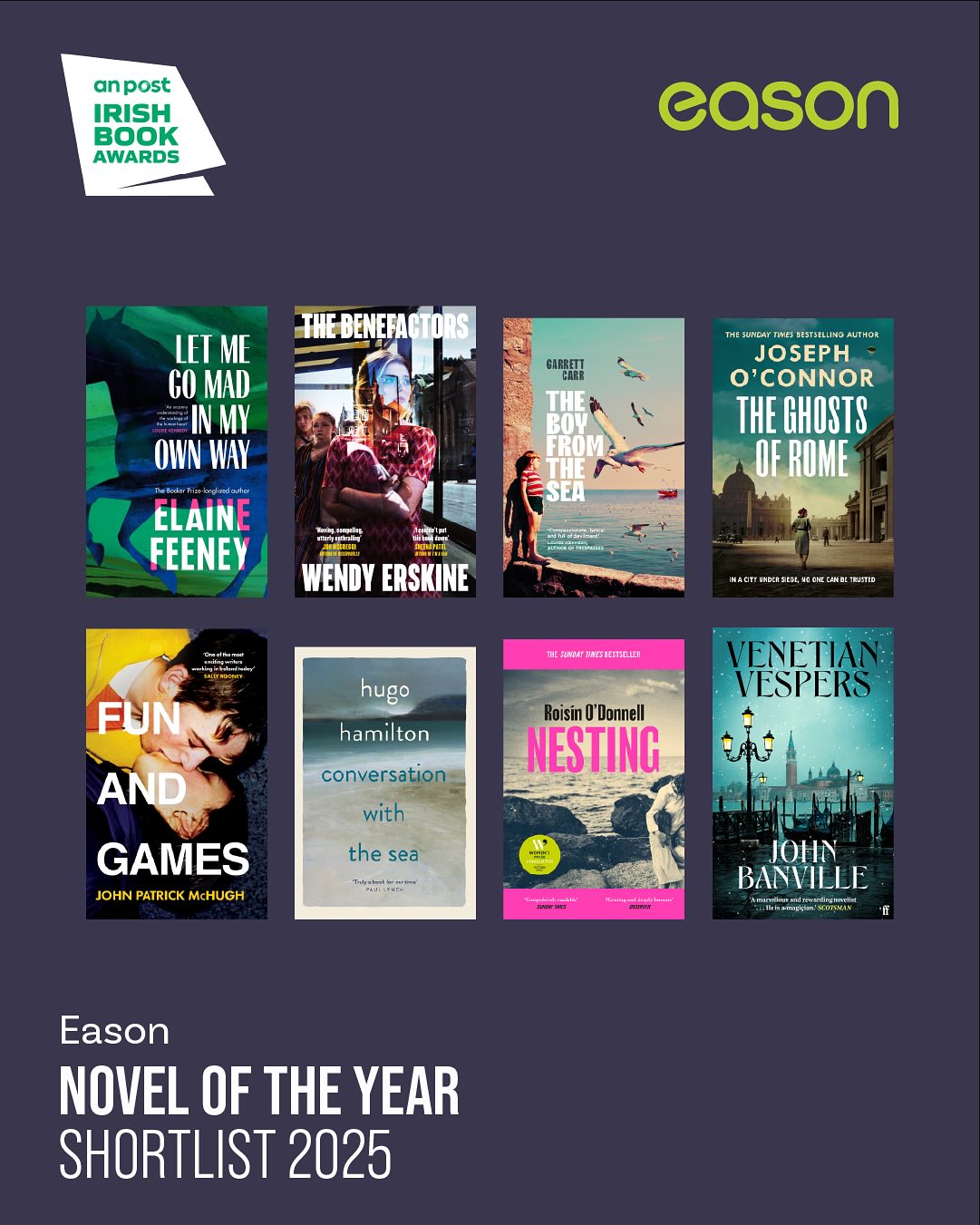
Eason Novel of the Year shortlist 2025
- Conversation with the Sea by Hugo Hamilton (Hachette Books Ireland)
- Fun and Games by John Patrick McHugh (Fourth Estate, HarperCollins)
- Let Me Go Mad in My Own Way by Elaine Feeney (Harvill, Penguin)
- Nesting by Roisín O’Donnell (Scribner Bools from Simon & Schuster)
- The Benefactors by Wendy Erksine (Sceptre)
- The Boy from the Sea by Garrett Carr (Picador, Pan MacMillan)
- The Ghosts of Rome by Joseph O’Connor (Harvill, Penguin)
- Venetian Vespers by John Banville (Faber)
Eason Novel of the Year Winner 2025
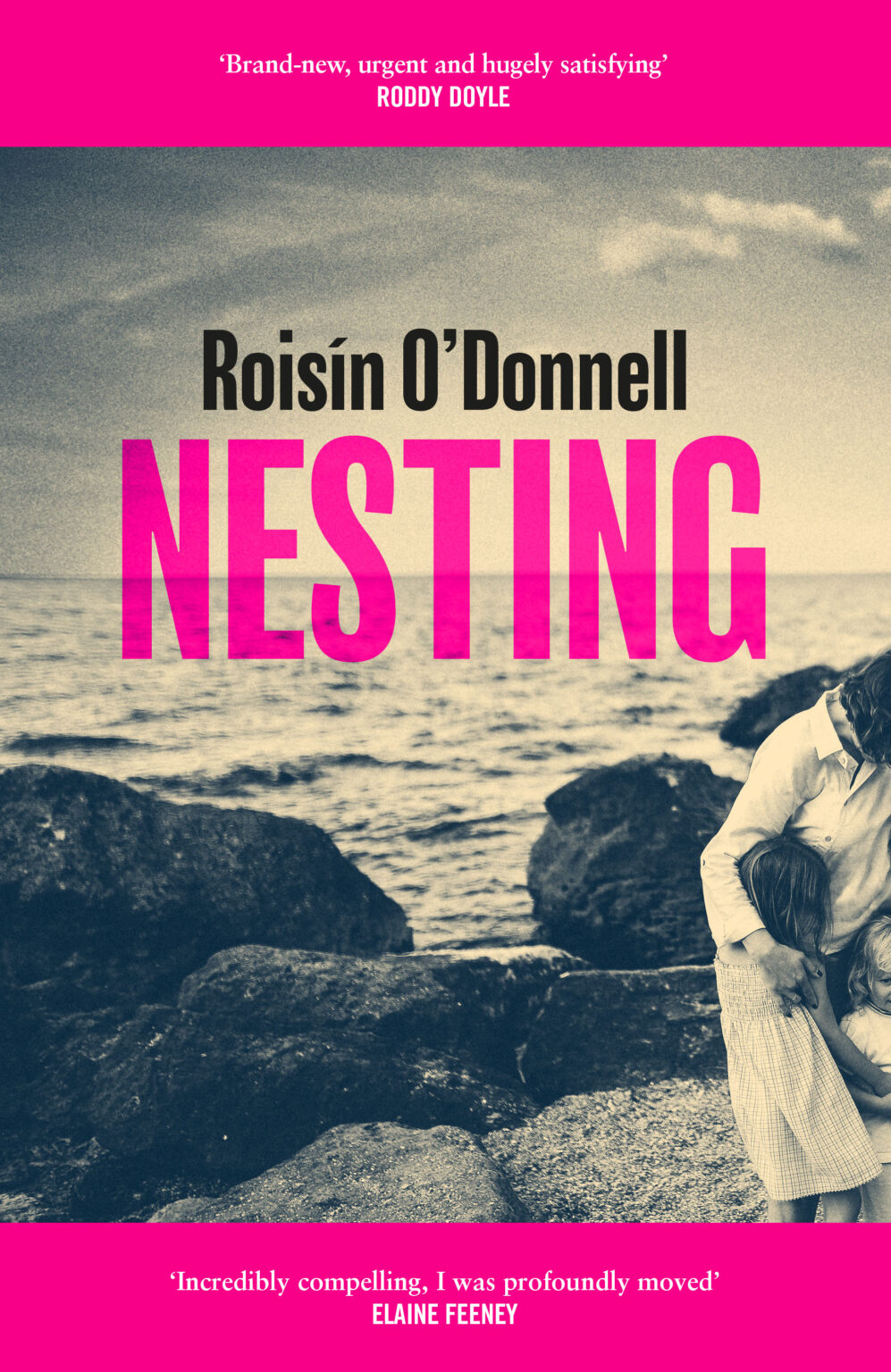
The winner of the novel of the year went to:
Nesting by Roisín O’Donnell
a story of one woman’s escape from a coercive relationship and the challenges faced to stay away, while trying against the odds to build a new life.
Two of the shortlisted authors also won elsewhere.
Joseph O’Connor’s The Ghosts of Rome won the people’s choice, The Last Word Listener’s Choice Award and Elaine Feeney took home The Library Association of Ireland Author of the Year Award.
The popular fiction award went to Celia Ahearn’s Paper Heart, and The Book Centre Crime Fiction award went to It Should Have Been You by Andrea Mara.
Non-Fiction Awards
The Dubray Biography of the Year went to A Time for Truth: My Father Jason and My Search for Justice and Healing by Sarah Corbett Lynch and the nonfiction award went to Deadly Silence: A Sister’s Battle to Uncover the Truth Behind the Murder of Clodagh and Her Sons by Alan Hawe by Jacqueline Connolly & Kathryn Rogers.
Lots to consider here for next year’s Reading Irish Month in March 2026.
Have you read any of the above prize winners?
 Word by Word
I thought Nesting might win the Novel of the Year at the Irish Book Awards, there was a lot of Booker buzz that never materialised earlier in the year.
LikeLiked by 1 person
I loved both The Boy from the Sea, and the Ghosts of Rome. Just reserved Nesting, but so far the Women in Translation books haven’t reached our library service, which is normally On the Case. I might nudge them a bit.
LikeLike
Oh, I meant to say. Flesh isn’t speaking to me either.
LikeLiked by 1 person
Hi Claire
We liked “Flesh” and “The Walls became the World …” very much. Especially “Flesh” is a masterpiece for us, different to most of the novels we know, and your review is excellent, thank you.
We have just started reading “Venetian Vespers,” which seems worth reading.
The Fab Four of Cley
🙂 🙂 🙂 🙂
LikeLike
Thanks for this
LikeLike
I agree with you about nit being drawn to Flesh but will definitely seek out And the Walls Became the World All
LikeLike
contd Around
I have just counted my own journals and find I have 64. Surely I can create something out of that ( if I could decipher my iwn handwriting).
LikeLike
Your post prompted a shopping spree and I am so thankful for it, haha. I got Flesh and I am very much looking forward to receiving it. Hungarian authors are some of my favourites and so I’m really curious to see what this one will be like
LikeLike
I may have mentioned this before, Claire, so apologies for any repetition, but I listened to an abridged audio of Nesting on Radio 4 earlier this year and very much enjoyed it. Great to see it being recognised in the An Post awards!
Interestingly, I tried Flesh a few months ago but didn’t get terribly far with it (maybe 75pp) before putting it aside. Maybe my timing wasn’t right, or perhaps more likely, I’m just not the right reader for it as the lack of interiority was a bit of a barrier for me. I think it’s an extremely well written book, and I think I could see what the author was aiming for, but the style didn’t suit me. That’s just how it goes sometimes, even with the very best books.
LikeLiked by 1 person
That’s interesting that there was an abridged audio version of Nesting, I can imagine it would have been quite compelling as it reads so realistically. It reminded me of the experience of reading Soldier Sailor by Claire Kilroy, that style of intensity and making the reader feel uncomfortable.
That’s interesting too about Flesh, I can appreciate what the author was attempting to do, but I felt like it wasn’t something I needed to experience, I trust my discernment, so knowing you set it aside confirms that for me, especially when there are other new authors I know I want to try. I just received a copy of Irmgard Keun’s The Artificial Silk Girl which I’m looking forward to after you wrote about this author.
LikeLike