Best Reads of 2025 Top Fiction

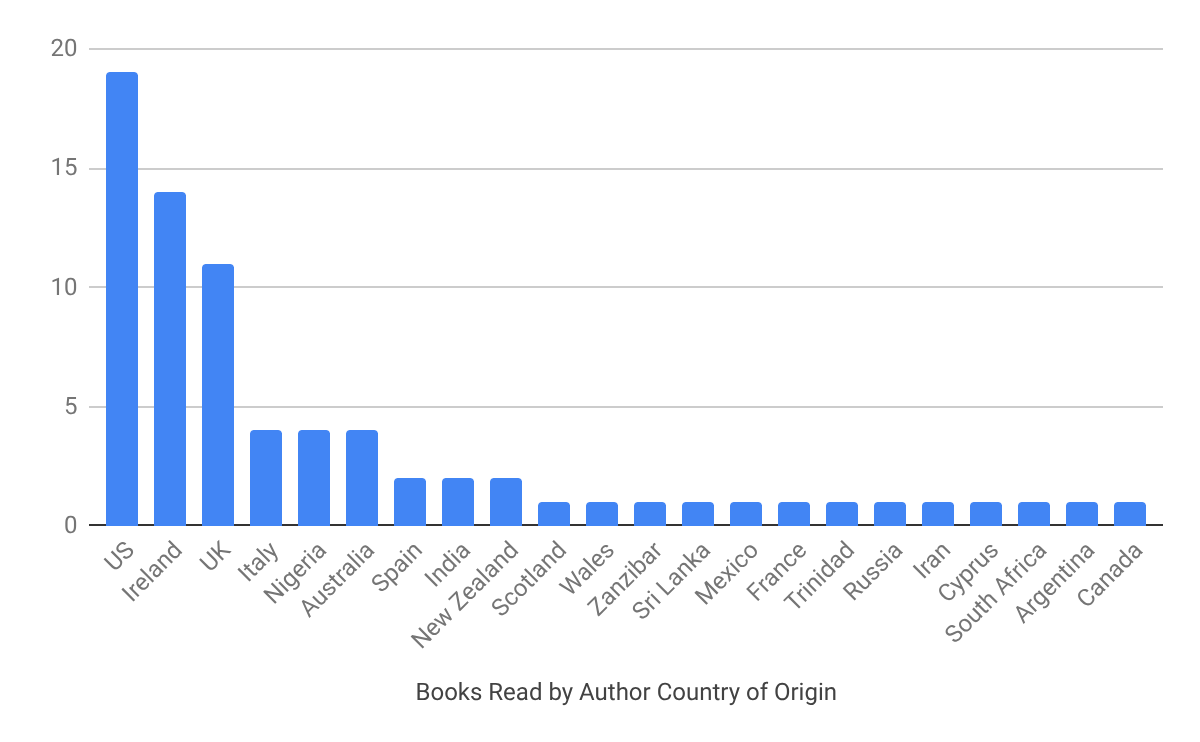
In 2025, I read 75 books from 22 countries (the exact same number of countries as in 2024), 55 of those titles were fiction and 20 were nonfiction.
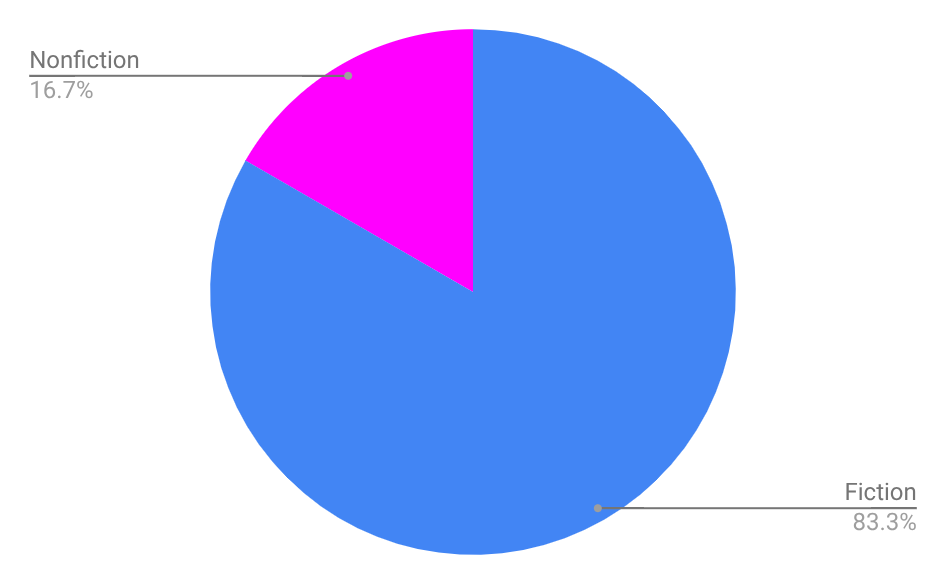
73 percent of my reads were by female authors and 27% by male authors. Of the total books read, 15% were books in translation, originally written in a language other then English.

I will be sharing my One Outstanding Read of the year, the runner up, Top 9 Fiction, tomorrow my Top 8 Non-Fiction and since there were so many excellent reads, the following day Top 7 Reads in Translation.

One Outstanding Read of 2025

My One Outstanding Read of the year for 2025 is the non-fiction memoir, Mother Mary Comes to Me (2025) by Arundhati Roy, (review to come), a phenomenal, engaging, wide-ranging book that is as much about her mother Mary Roy as it is herself. From the back cover:

‘In these pages, my mother, my gangster, shall live. She was my shelter and my storm.’

Mother Mary Come to Me by Arundhati back cover photo of author

It is about the family she was born into, the matriarch Mary Roy she was raised by, the controversy around their housing, as her mother struggled initially to raise two children on her own, the lawsuit Mary Roy would launch against her brother and mother that changed inheritance laws in their state; the school Mary Roy founded and how it was being the child of the school principal. We follow Arundhati Roy through her seven year estrangement from family, her architectural studies, her early film-making ventures, her relationships and difficulties in them due to the strong values she held.

“When it came to me, Mrs Roy taught me how to think, then raged against my thoughts. She taught me to be free and raged against my freedom. She taught me to write and resented the author I became”

It is a raw, honest account and an insight into a passionate, dedicated, creative individual, who won the Booker Prize with her debut novel, The God of Small Things (1997) a feat that had a major effect and influence on what she has been able to do in life, and enabled the support she has been able to provide to other causes, in order that they remain independent and are not compromised by the stultifying agendas of large corporate and NGO organisations.

Outstanding Read Runner Up 2025

Someone is Walking On Your Grave My Cemetery Journeys Mariana Enriquez

Somebody is Walking On Your Grave: My Cemetery Journeys (2025) by Mariana Enriquez (Argentina) tr. Megan McDowell (Spanish) – I have to mention this book as it was also an outstanding, unique and far-reaching book that kept me entranced for the most part of October, as the author travels in 13 countries visiting 21 cemeteries, (something she is passionate about) sharing cultural anecdotes about each country, history, legend and their relationship to the dead. She wrote these essays over a period of about 25 years, starting with a visit to Genoa, Italy with her mother through two and half decades of experience, learning, and journeying that no doubt continues in her life today.

It’s not so much macabre, as it is insightful to learn about some of the communities of people she comes across, like the Welsh speaking community in Patagonia, what it means to have Taphophilia syndrome, the controversy surrounding the Pietro Gualdi marble sculpture of a seated woman in New Orleans, people who have already constructed elaborate tombs for themselves ahead of time, the dilemma of the 12th century Holy Innocents Cemetery in Paris that led to the catacombs, the first date she has with her Australian boyfriend, taking him to the aristocratic Recoleta Cemetery in Buenos Aires, where Eva Peron was finally laid to rest (after much debate, body snatching and travel). The entire book was an eye-opener and an unforgettable read and one I highly recommend.

Top Fiction
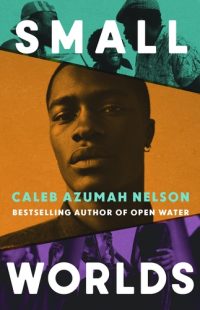
Small Worlds by Caleb Azumah Nelson

Small Worlds (2023) by Caleb Azumah Nelson (UK/Ghanaian) – a brilliant, meandering coming-of-age story set mostly in Peckham, London. A story-line that spans three years as he finishes school and decides what to do next, it is an introspective excavation of a young British-Ghanaian man’s soul, the situations he will encounter and confront, as he matures and grows into a version of himself that he likes. I read this early in the year and this one is my Number 1. Top Fiction of the Year.
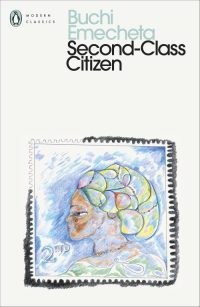
Second Class Citizen Buchi Ememcheta Nigerian Literature Classic London

Second Class Citizen (1974) by Buchi Emecheta (Nigeria/UK) – I read The Joys of Motherhood by Buchi Emecheta some years ago and loved it and have long wanted to read this. It’s absolutely brilliant and poignant and tells the story of a young Nigerian girl in the 1960’s, much like the author herself, determined to get herself an education and raise herself up in the world, which she does – until a marriage and in-laws start to rely on her as their income source, so she sets London in her sights, only for the challenges to increase as children begin to appear – as a woman she has no control over her reproductive rights. It is a powerful story of a woman dealing with and overcoming the odds, in her home country and as an immigrant.

Buchi Emecheta, while raising five children, published novels, obtained a degree in sociology, wrote plays for television and radio, worked as a librarian, teacher, youth worker and sociologist, and community worker. She was one of Granta’s Best of Young British Novelists in 1983.
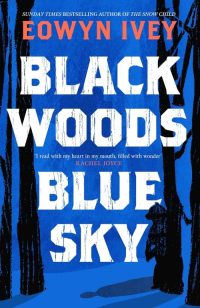
Black Woods Blue sky by Eowyn Ivey book cover, the words a reference to Proust, the cover shows black tree trunks and a blue background, behind a tree a standing bear, his shadow is the shape of a man

Black Woods, Blue Sky (2025) by Eowyn Ivey (Alaska) – Eowyn Ivey remains one of my favourite authors, most known for her debut novel The Snow Child (2012). She also wrote The Bright Edge of the World (2016) and now her latest, a novel that subtly references Beauty and the Beast, is her most autobiographical novel and again set in her local region of the wilds of Alaska.

It is the story of a troubled, young mother Birdie, her six year old daughter Emaleen and a reclusive character Arthur. Ignoring the warnings of those who care about them, Birdie and Emaleen move to Arthur’s isolated cabin in the mountains on the far side of the Wolverine River, far from roads, telephones, electricity, and outside contact. At first everything is idyllic, until it is not and this sense of things not being quite right creates acute suspense while reading. Ivey has a wonderful way of capturing the magic and menace of the wilderness while creating down to earth characters and that hint of an unsettling feeling lurking beneath the narrative.
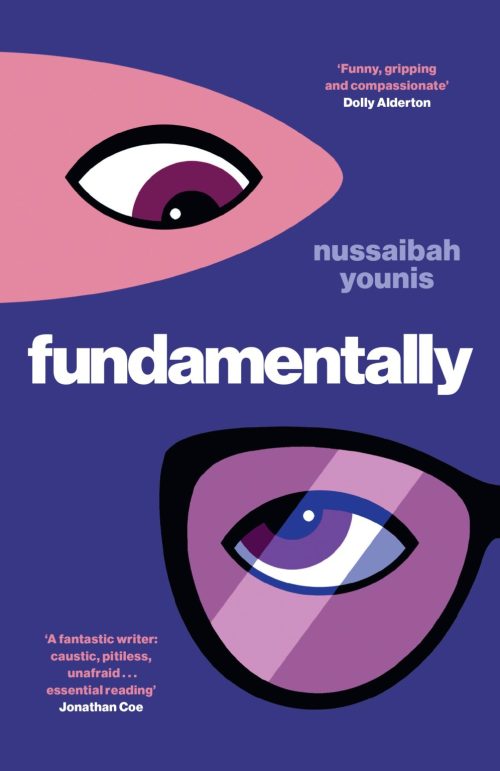
Fundamentally Nussaibah Younis shortlisted womens prize set in UN Iraq comedy in print

Fundamentally (2025) by Nussaibah Younis (UK/Iraq/Pakistan) – Not reviewed here, but one of my favourite reads of 2025, I just loved the comic narrative voice of Fundamentally and the unique setting of a UN workplace in Iraq, even if some of the characters were somewhat cliche. Shortlisted for the Women’s Prize 2025.

When academic Nadia is disowned by her puritanical mother and dumped by her lover, she decides to leave, accepting a UN job in Iraq. Tasked with rehabilitating ISIS women, Nadia observes the inside of world international aid and finds herself quickly compromised. As the tension ratchets up, as Nadia tries to make up for her mistakes, the humour fades and the danger increases, as they cross lines that can’t be reversed.

Younis is a fearless, talented writer, creating fiction from a place of knowledge that not too many authors occupy and is able to bring depth, humour and insight to serious subjects. I found it a relief to read a light version of the harsh reality of war zones and displacement, still having the imprint of Sally Hayden’s ambitious award-winning work of nonfiction, My Fourth Time We Drowned, which depicts the plight of those seeking asylum, risking their lives taking small craft across the Mediterranean.

The Marriage Portrait (2022) by Maggie O’Farrell (Ireland/UK) – In 1540 -1561 Renaissance Italy, we encounter the story of Lucrezia of Florence, who, due to the death of her older sister Maria, becomes the intended fiance of the man her sister was going to marry, Alfonso of Ferrara. It tells of her childhood in Florence, her year of wretched wifedom, her solace in creating art and the act of sitting for a portrait that she dislikes.

Told in twin timelines, childhood and marriage, beginning with a historical note in the opening pages about her alleged death, there is an underlying tension and suspicion all the way through the narrative which adds to the pace and intrigue. The character of Lucrezia is exquisitely constructed and rich in visual imagery, thanks to her artistic inclinations, despite the fact that she is often confined to quarters. The era of Renaissance Italy, the day to day lives, the close environment of these dynastic families is intricately portrayed and sumptuously imagined.

Look out for more historical fiction from Maggie O’Farrell in 2026, Land is set in 1865 Ireland.

Scottish Island literature Clear by Carys Davies Wales

Clear (2024) by Carys Davies (Wales/UK) – Clear is a short historical novella that gripped me from the opening pages and transported me to 1843 Scotland, the time of the Great Disruption, the Highland Clearances. It is about a quiet, worrisome, rebel pastor, John Ferguson, his wife Mary and Ivar, a lone islander out in the North Sea, somewhere between the Shetland Islands and the coast of Norway.

John, like other rebel ministers who signed the controversial Act of Separation and Deed of Demission, is under financial pressure to meet his new responsibilities and accepts a paid role from a landowner’s factor against his wife’s wishes. He must visit a remote island in the north and evict the last inhabitant. Evocative of its time and place. I thought this was a brilliant, atmospheric tale.
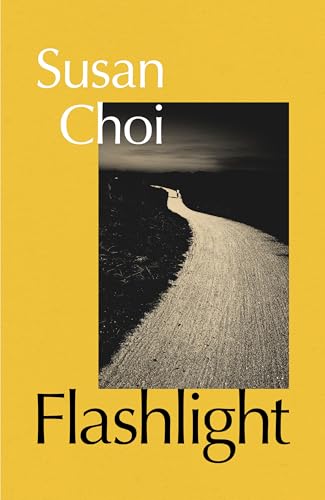
Flashlight by Susan Choi set in Japan USA and North Korea

Flashlight (2025) by Susan Choi (US) – Shortlisted for the Booker Prize 2025, Flashlight interested me because of its portrayal of a cross-cultural marriage (American and Korean-Japanese) and family that highlights the tensions between adults with different backgrounds and expectations, coping within one culture (America), while Louisa, the child of that union navigates her own life and connection to her parents.

Also the further stretch of scope and understanding it provides, as the narrative moves from the US to Japan to North Korea, because it concerns a family exiled from Jeju Island in South Korea, living in Japan, wanting to return. Their son Serk (Louisa’s father) has grown up and been educated in Japan and values that education, resists his family’s desire, while they wish to take up an offer to return.

When Serk goes missing, the narrative splits and we follow each family member on their own timeline, observing our characters while learning something of a complicated history of Korea and Japan. While slow to begin, this became captivating, mysterious and frightening as time began to run out for a man trying to return and a daughter trying to find herself. I loved the immersion in another culture, the multiple cultural perspectives and coming to understand the complication of borders, ethnicities, allegiances, and the creepy stealth of some nations and complete (or deliberate) ignorance of others.
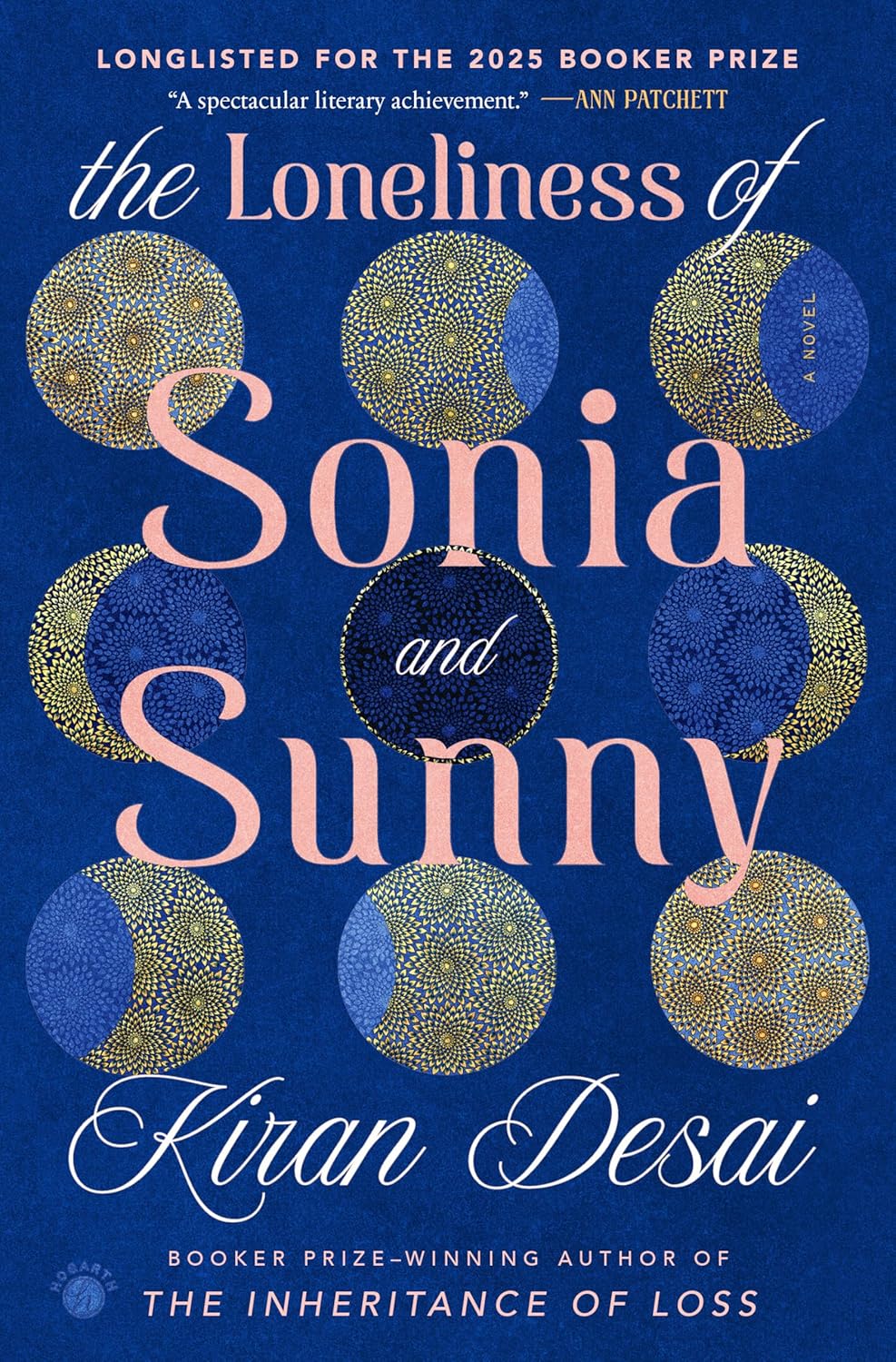
Cover of The Loneliness of Sonia and Sunny by Kiran Desai

The Loneliness of Sonia and Sunny (2025) by Kiran Desai (India) – I do love a good cross-cultural novel, and one that is in part set in India, by a known author, sounded promising. As soon as I saw the Booker longlist I knew I would be reading this, and I loved it. The story is about two young people who have just finished studying in the US, Sunny is working as a freelance journalist and Sonia is in a college library, looking for an internship. Their families have a connection but are no longer close, however a letter arrives suggesting marriage, to absolve a past discretion, but goes nowhere.

It is an interesting navigation of their young adult lives, where they struggle to cope with the freedom and direction their lives might take, now that they are living outside of their country and culture. Both must deal with challenging issues on their own, their families far away and ignorant of their dilemmas. On a trip home, the two cross paths, make a strong connection, only to diverge again. This is enough to ignite in the reader, a wish that they might meet again, though it is clear the timing had not been right.

I loved this immersive, meandering novel, the loneliness and confusion of the protagonists, the clash of cultures and past/present values, the defiance and stubbornness of each parent, the multi-generational threads as everyone is going through their transition and it’s a wild, contemporary ride to the end. Brilliant.
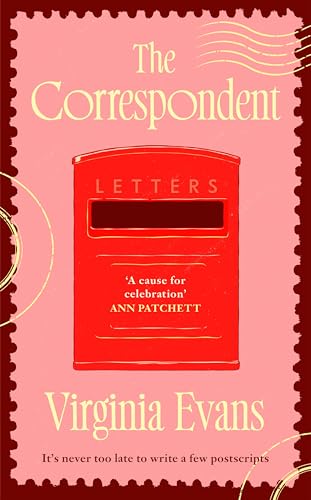
The Correspondent by Virginia Evans (US) – Nothing like a feel good novel to wrap up the end of the year. This is a charming book of letters by a dedicated 73 year old retired law clerk and correspondent who sits at her desk every morning to write letters, emails, notes, through which we come to learn all the issues she’s currently juggling and something of her stubborn, somewhat dogmatic attitude. It’s also an unlikely word-of-mouth book that is enjoying some success thanks to readers, not marketing hype.

It’s entertaining, has multiple engaging storylines and some of the letters contain excellent book recommendations, which is always fun for readers. There’s mystery, loss, relationship troubles, mother-daughter issues, potential love interest(s) and a tribute to the lost art of letter-writing. Loved it!

* * * * *

So that’s my Top 9 Fiction Reads for 2025, tomorrow I’ll share my Top 8 Non-Fiction Reads for 2025 and after that I’ll share my Top 7 Translated Reads of 2025.

Are any of these in your Top Reads of 2025? Let us know in the comments your thoughts, or share your favourite fiction read of 2025, I would love to know.

Somebody Is Walking on Your Grave by Mariana Enriquez tr. Megan McDowell #RIPxx

My Cemetery Journeys

Someone is Walking On Your Grave My Cemetery Journeys Mariana Enriquez

Argentinian author Mariana Enríqeuz is known for unconventional and sociopolitical stories of the macabre, amid contemporary Argentina. Her stories are populated by unruly teenagers, crooked witches, homeless ghosts and hungry women walking the troubled line between urban realism and literary horror.

Though I’ve seen her Gothic titles on the International Booker shortlist, an overactive imagination has constrained my curiosity to venture further until now.

When I saw that Granta were publishing a memoir-like collection of essays that chronicle her travels through graveyards of the world, steeped in history, legend and local culture, I was more than intrigued, I wanted to take that journey with Mariana Enriquez as my guide.

One Woman’s Obsession and Another’s

This is not fiction, it’s a journalistic travel diary, beginning with her first teenage encounter in Genoa, Italy, spanning years of visits and curating the experiences that came with them, and a potted history of characters she momentarily became obsessed with while visiting 21 cemeteries across four continents.

I admit that I have my own obsession with cemeteries, though not to visit them or to seek out historical characters; my interest is in the words left behind, the clues that help me recreate a lineage.

I discovered that it is possible to do that online through ‘Find a Grave’, another way to find ancestors and fill in the gaps in a family tree, creating one’s own virtual cemeteries populated with the memorials of those who came before.

Lest we forget or should we never have known and have a compulsion to awaken our soul remembering. I visit these virtual creations, solve some of their mysteries and see into the lives of those forgotten, as if they were there, tapping me on the shoulder inviting me to come and witness how it was.

A Goth Flaneur Coming of Age

From that very first essay about her journey as a 25-year-old to Italy with her mother I was hooked. Mariana Enriquez described herself as a ‘goth‘ from about the age of six years old and in her book, travels to cities and obscure locations around the world with the aim of visiting a place of rest, unravelling stories as she goes.

In her gripping, journalistic style, she shares why each graveyard was important to visit, whether part of an interesting historical aspect, or because of a particular personality, or a rumour about the strange things that allegedly happen there. It surprised me initially that many of these places require security, some even have ticket offices, because strange things can happen in broad daylight as well as the dead of night.

Each essay gives the country and location of the cemetery and the year she visited and sometimes there is a photo of a particularly interesting sculpture. In an NPR interview with Ayesha Rascoe, she expanded on her youthful inclinations and inspiration in seeking out these places of rest.

Reading Edgar Allen Poe – and then with the years, I learned that also cemeteries have a lot to say about life, about the history of the people. And then Argentina in the ’70s, the decade where I was born, had a dictatorship that made a lot of bodies disappear. Therefore, there’s a generation of people that were killed by the government, and they don’t have a grave.

I realized that that trauma, that is very engraved in my life, somehow made me feel that a grave, a tombstone – it’s something of comfort. It’s a final thing in a good way.

Death and the Maiden, Staglieno

So it begins with Death and the Maiden, Monumental Cemetery of Staglieno, Genoa in 1997 and this essay is literally the initial seduction into the collection, Mariana’s mother had enough money to take her first trip to Europe and invited her daughter along.

Genoa wasn’t her priority; when read of the places in Italy that were, I’m drawn down literary, art and historical rabbit holes in delight. But Staglieno at least had graves that featured on the cover Joy Division‘s single Love Will Tear Us Apart, even if she had never liked them.

In a public square in Genoa is where she meets the perfect goth boy playing violin, an Italian Englishman, like a creature out of Mary Shelley or Byron. Someone to accompany her on her pilgrimage.

Enzo was the most beautiful creature I had ever seen. At least for me, for my idea of beauty, which is shadowy and pale and pliant, black and blue, a little moribund but happy, more dusk than night.

Welsh Immigrants in Patagonia

When Enriquez travels to Trevelin Cemetery in Chubut, Agentina, 2009, I learn about the Welsh who left their homeland to settle in Patagonia in 1865. Having been exploited and discriminated against in the United Kingdom and fearing losing their language and identity, 153 Welsh men, women and children boarded the ship Mimosa and arrived in a place that was something of a disappointment, but became the most significant Welsh colony in Argentine Patagonia.

I learn about characters from this group, the little known history that explains the proliferation of Jones, Thomas and Evans, the foreign words on the gravestones, in a place where many today still speak Welsh.

The Mountains of San Sebastian to Rottnest Island

From English soldiers buried in forest graves on a Basque mountain near San Sebastian in Spain, I read of more minor historical events and wonder about the meaning of the words on the chapel, “Every hour wounds; the last one kills.” So many stories and mystery among the remains.

In 2007, she accompanies her Australian boyfriend Paul who works as a bike mechanic on Rottnest Island, half an hour from Freemantle in Western Australia. A stable, long distance relationship that is headed towards marriage and an outsider’s view of a curious part of the world where the lead singer of AC/DC came of age, went to jail and is buried. She wants to see his grave.

The place has a booming real estate market, houses with yards full of healing crystals and fairies, collectors of all kinds who exhibit their cabinets of curiosities in the streets, artists, musicians, and a sparse but continuously fluctuation itinerant population linked to the port – people who can be unhinged, unstable and on occasion violent.

Weirded out by the hotel-asylum they’re staying in, she takes the ferry to the island, once inhabited by the Noongar Aborginal people, also used as a prison and visits the burial grounds, unearthing more story of post-colonial and indigenous poeples.

Savannah to New Orleans to Cuba to Edinburgh

I don’t wish this make this overly long, because I feel like I could write paragraphs on every essay; they are so interesting, quirky, incredible and speak so much to the different cultures they inhabit, from a very different perspective than what anyone would usually encounter visiting a foreign country.

If you came from New Orleans, I guess you would know about the vibrant characters that inhabit it, both the living and the dead. I did not know that it is the site of the second most visited grave in American after Elvis, that of the 19th century midwife, herbalist and philanthropic Voodoo practitioner of French, Spanish and African origins Marie Laveau.

Then there was the controversy surrounding the Pietro Gualdi marble sculpture of a seated woman in a robe holding a bouquet of flowers that Dennis Hopper and Peter Fonda requested permission from the Italian Society to use in the tomb scene of Easy Rider. Suffice to say all requests since then have been denied. And Nicholas Cage’s pyramid? A pharaonoic tomb waiting for a body.

Frankfurt was brief, Cuba was fascinating and macabre and sad after the friend who hosted her became the first close associate whom death claimed. Savannah was touristy and disappointing, I mean how could the book cover of John Berendt’s novel Midnight in the Garden of Good and Evil have caused such havoc and chaos to a place of rest?

Edinburgh was crowded, full of folklore; people visiting the graves of random names J.K.Rowling chose as characters for her Harry Potter books. Bizarre comes in so many different forms, real, imagined and just because.

Taphophilia Syndrome and the Magnificent Seven

I learn a new word. Taphophile, people who are passionate about cemeteries, memorials, and the history they hold. And Taphophilia syndrome? An abnormal attraction for graves. Who knew there were so many?

The visit to London’s Highgate cemetery fascinated me because I lived so close to it for some years, yet never had an inclination to visit. Audrey Niffenegger’s Her Fearful Symmetry, set in the cemetery sat unread on my shelf for years. To read about it here and what the author encountered there was like stepping into another realm, as all these places are, existing in the in-between.

Highgate and London’s Magnificent Seven created from 1833-1841 just demonstrated to me how little the living can be aware of the cult of the dead right next door.

Day of the Dead 1-2 November

Mexico seems to be the only country that retains a feeling of celebration around the departed. Though she visits and writes of its traditions, Enriquez has never been there for the Day of the Dead, when souls return and are welcomed to their family home to eat with their living relatives.

Here in France 1 November is the public holiday Toussaint (All Saint’s Day) and there is a mass visitation to cemeteries all over the country, when families visit, tidy up, pay their respects and bring chrysanthemum’s to family graves.

The Mexican anthropologist Alfonso Alfaro said, “We are a people who maintain a privileged relationship with death.” And the art critic Luis Cardoza y Aragon wrote:

Death is a universal theme of human expression. Mexico’s feeling toward death, the familiarity, tenderness and simplicity in its treatment of death, its obsession, which it sees as neither tragic nor funereal, but rather nuptial and natal, imbued with an immediate everydayness, an imperious and serene visibility, characterized more by cascading laughter than lamentation – it all harbours the unlearned wisdom of a cosmic and playful conceptualization, as if in perpetual amazement, that is particular to Mexico.

Prague to Paris to Eva Peron and the Disappeared

Prague has its legends but is overrun by tourists; Mariana resists and admits maybe it’s because she’s not a fan of Kafka.

In Paris, I hear of the fascinating history and grisly dilemma of 12th century Holy Innocents Cemetery in the Les Halles quarter that lead to the creation of the Montmartre catacombs. And a visit down there.

Eventually the journey comes full circle to Buenos Aires, Argentina, to the aristocratic Recoleta Cemetery, where Eva Peron is buried. Described once as ‘Venice without the canals’ it has ostentatious vaults like palaces along narrow streets, where everything is above ground, a way of showing off grandeur.

Peron’s journey there is an enthralling tale of body snatching, written about in Santa Evita by Tomas Eloy Martinez. A macabre story, it is one that Enriquez shares with freinds visiting the cemetery, one she told her husband Paul on their first date, that turned into a second date, though not everyone reacts that well she admits.

The Appartition of Marta Angélica

Part of the reason to write these stories came from reflections when her friend’s mother’s remains were identified after being found in a mass grave, having disappeared thirty-five years previously, kidnapped, disappeared and presumed killed, by the military dictatorship in Argentina.

“for someone like me who grew up in a dictatorship that had the peculiarity of making bodies disappear,” the idea of a tomb and of a cemetery was overshadowed by the political trauma.

The idea of no burial, no grave, no funeral rite, that’s what’s traumatic for me.”

Thank you for patiently reading, if you made it this far.

I absolutely loved and was riveted by this book of essays. I read it over the course of a month or so, it was too interesting and thought provoking and worldwide encompassing to read too quickly. It surprised me how compelling it was, with the right blend of personal story, characters met on her travels, fascinating known and unknown history and the insights into different cultural rituals and treatment of the subject of death, burial and even the movement and perceived ownership of or control over bodies. It gives even more meaning to those letters RIP.

Highly Recommended.

Further Reading

Mariana Enríquez Essay: Notes on Craft – on writing dark fiction

NPR Interview : ‘Somebody Is Walking on Your Grave’ – a journey to cemeteries across 4 continents

Author, Mariana Enríquez

Mariana Enríquez is an award-winning Argentine novelist and journalist, whose work has been translated into more than twenty languages.

She is the author of Things We Lost in the Fire and The Dangers of Smoking in Bed, which was shortlisted for the 2021 International Booker Prize. Our Share of Night was awarded the prestigious Premio Herralde de Novela.

“People often ask me why I like to write dark fiction. Horror. Weird tales… There is something about horror and dark fiction that is familiar and homely, and at the same time, always audacious. It’s with this language that I can explain myself and explain what I worry about.”

N.B. This book was an ARC (Advance Reader Copy) kindly provided by the publisher via NetGalley.