
Yesterday (Sunday) was the annual ‘vide grenier‘ (garage sale) in the medieval village of Ansouis in the South Luberon area of the region Vaucluse. It’s a village I drive through at least once or twice a week for work. It’s a nice place to stop for a while.
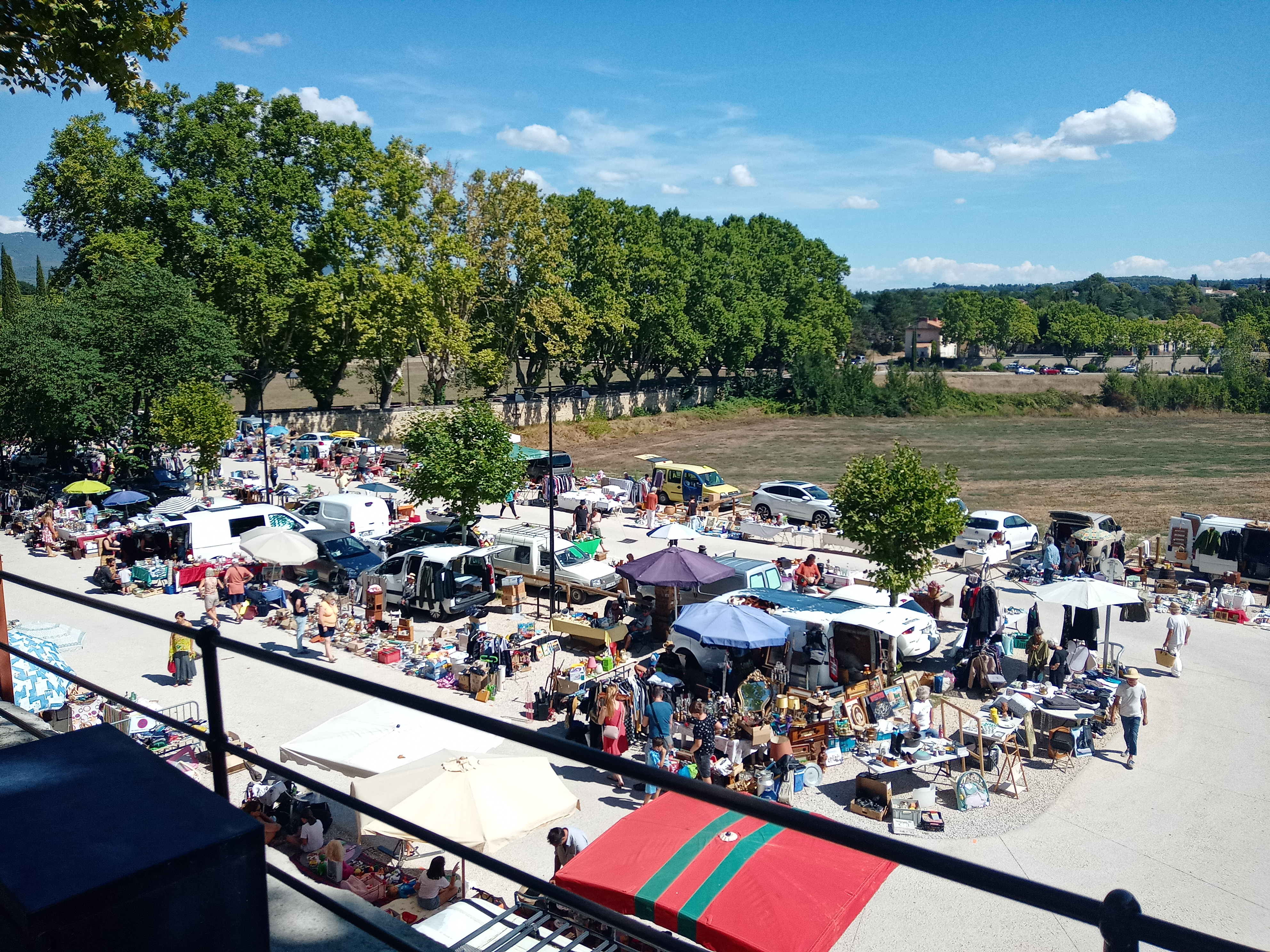


The village has a population of around 1,000 people and is dominated by the fortress like Château d’Ansouis, sitting on a rocky perch overlooking the village and valley all around.
Every year the local French library has a few tables, where they sell second hand books, in both English and French.
It’s my favourite book sale, because it’s set up in this beautiful location, there’s easy parking and it’s always on a sunny day in mid September. If you arrive early, you are guaranteed to be rewarded.

I like to cull the bookshelves every year and donate to this market, and then try not to buy back too many. However this year I arrived just as another woman was depositing her donation and I saw those two Booker Prize winning novels that I haven’t read yet, Bernadine Evaristo’s Girl, Woman, Other and Sri Lankan author Shehan Karunatilaka’s The Seven Moons of Maali Almeida.
And then there were more…
In addition to the other impulsive purchases you can see in the image above, I found Northern Irish author Jan Carson’s The Raptures, a signed copy of Kamila Shamsie’s Best of Friends, Japanese author Mieko Kawakami’s Breasts and Eggs translated from Japanese and more. Oops. 12 books later…

Often these are books I have seen reviewed and I’m interested in, but not enough to rush out and purchase a copy, however they are the kind of books I would borrow from a library, so I guess this is like an annual library visit. Isn’t it?
I had heard about the Cazalet Chronicles Quintet by British author Elizabeth Jane Howard and couldn’t pass up the opportunity when I saw all four of them sitting in a box waiting to be claimed. Anyone keen for a buddy read?
There are lots of other things that people are selling, old china and glass, cutlery, clothes, old linens, the contents of workshops, old music albums – brocante. A treasure trove of things we don’t need, but definitely fun to look at.

The only other thing I look out for are old postcards, like these of Marseille’s Le Palais Longchamp, the Route de la Corniche and Le Parc Borely, all of which I found in Ansouis a couple of years ago. And all places I connect with and have fond memories of.
Even though they have already been used and written on (many many years ago), I like to give them a second life, sending them as bookmarks, to friends who also know and remember these places.
I didn’t find any today, well, there were some very small but beautiful old black and white photos of Berlin, but I didn’t connect with them in the same way as I do with the southern French locations.
Have you read the Cazalet Chronicles or any others from this haul that you recommend?
 Today the short list was announced for the woman’s prize for fiction. From the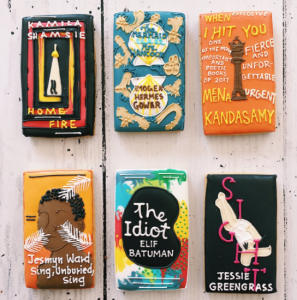
 Meena Kandasamy, When I Hit You: Or, A Portrait of the Writer as a Young Wife –
  Kamila Shamsie, Home Fire –
  Jesmyn Ward, Sing, Unburied, Sing –
  Imogen Hermes Gowar, The Mermaid and Mrs Hancock



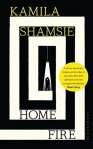 Before reading Kamila Shamsie’s Home Fire, I downloaded a translation of Antigone to read, she acknowledges herself that Anne Carson’s translation of Antigone (Oberon Books, 2015) and
  “Stories are a kind of nourishment. We do need them, and the fact that the story of Antigone, a story about a girl who wants to honour the body of her dead brother, and why she does, keeps being told suggests that we do need this story, that it might be one of the ways that we make life and death meaningful, that it might be a way to help us understand life and death, and that there’s something nourishing in it, even though it is full of terrible and difficult things, a very dark story full of sadness.”
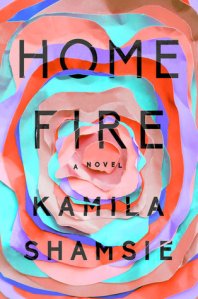 Kamila Shamsie was born in Karachi and now lives in London, a dual citizen of the UK and Pakistan. Her debut novel In The City by the Sea, written while still in college, was shortlisted for the John Llewellyn Rhys Prize in the UK and every novel since then has been highly acclaimed and shortlisted or won a literary prize, in 2013 she was included in the Granta list of 20 best young British writers.
 Word by Word