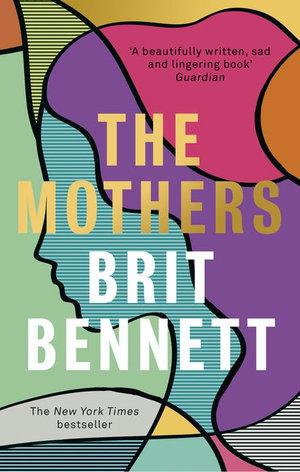
The Mothers (2016) by Brit Bennett

The Mothers by Britt Bennett author of The Vanishing Half

The third novel in my reading about mothers and motherhood is Brit Bennett’s The Mothers, the story of two young people, Nadia and Luke, who have both encountered significant turning points in their young lives, when they turn towards each other. Nadia, an only child, is mourning her mother, lost to suicide and Luke is nursing a football injury that has removed him from the limelight.

If Nadia Turner had asked, we would’ve told her to stay away from him.

Their coming together and drifting apart might have had less of an affect on their lives, had it not been for the teen pregnancy and cover-up that resulted from it, forever creating a fusion between them they have trouble negotiating, despite the years and distance they have put between them.

Her mother had died a month ago and she was drawn to anyone who wore their pain outwardly, the way she couldn’t.

Elder Knowledge and Wisdom

Luke is the son of a pastor and within that community are the older ‘Mothers‘, who provide the ‘We‘ voice to the narrative that isn’t always kind, it is the voice of those who have seen it all before.

We would’ve told her that all together, we got centuries on her. If we laid all our lives toes to heel, we were born before the Depression, the Civil War, even America itself. In all that living, we have known men,. Oh girl, we have known littlebit love. That littlebit of honey left in an empty jar that traps the sweetness in your mouth long enough to mask your hunger. We have run tongues over teeth to savor that last littlebit as long as we could, and in all our living, nothing has starved us more.
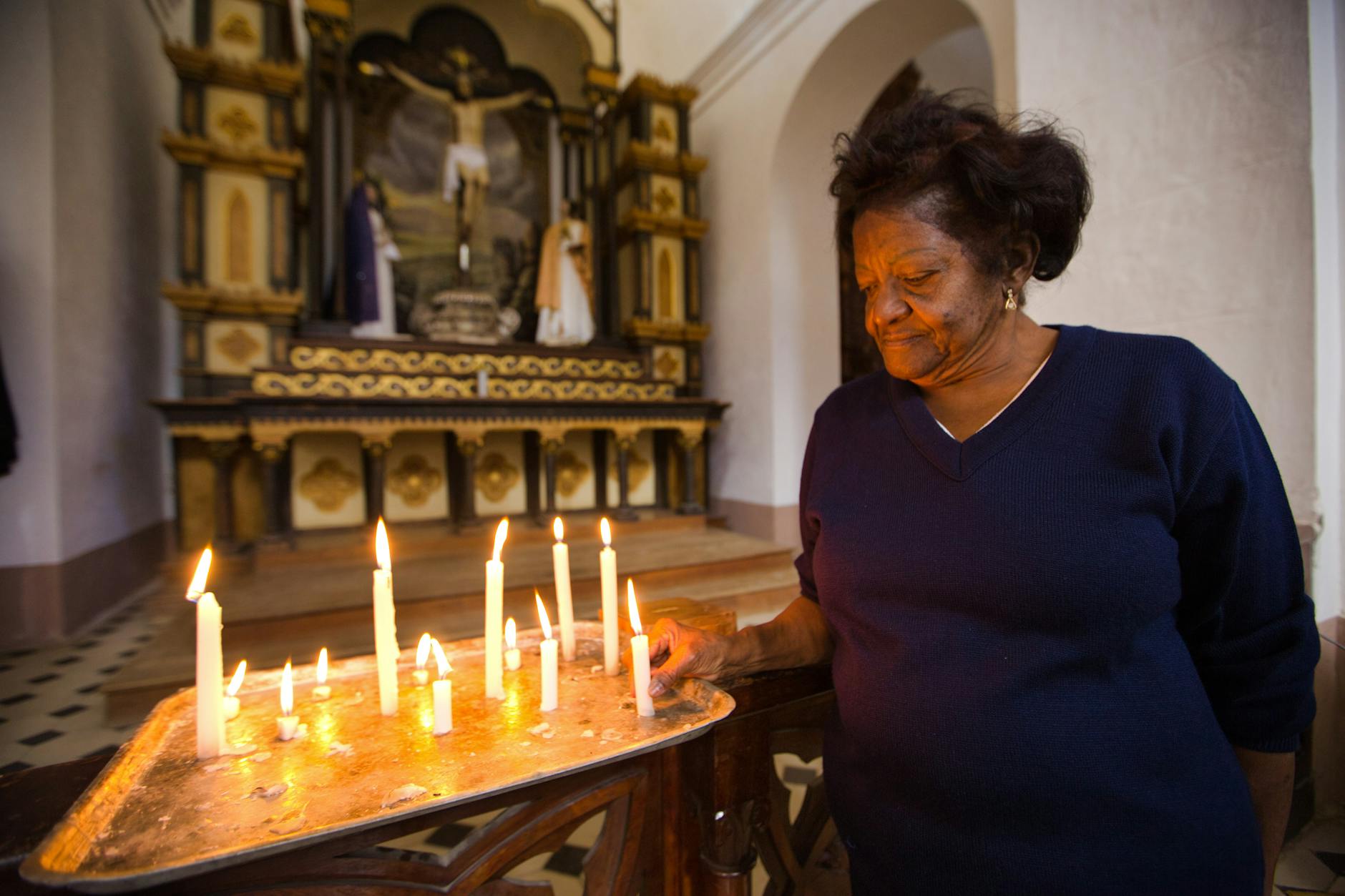
Photo by M. Kirkgoz Pexels.com

Though they don’t comment directly to Nadia or provide support to her, they are the all seeing, all knowing voice of the past, who also know that one has to live through their own experiences to learn anything, and so they enjoy their gossiping and smug knowledge of knowing how it will end before the living is done.

All good secrets have a taste before you tell them, and if we’d taken a moment to swish this one around our mouths, we might have noticed the sourness of an unripe secret, plucked too soon, stolen and passed around before its season. But we didn’t. We shared this sour secret, a secret that began when Nadia Turner got knocked up by the pastor’s son and went to the abortion clinic downtown to take care of it.

Nadia hides her secret from everyone, including her pious best friend Aubrey, the distance she puts between herself and her hometown, her foreign boyfriend and her higher education assist her in creating a new life far from unwanted memories.

Community Intentions

The Mothers meet regularly to pray. They read the prayer request cards and pray for the community who share their pain, their resentments, their anger and fears. And that too, is how they know all that is going on in their community, the clues that along with chatter create the jigsaw puzzle of lives that come and go among them.

That evening, we found a prayer card with his name on it in the wooden box outside the door. In the centre, in all lowercase, the words pray for her. We didn’t know which her he meant – his dead wife or his reckless daughter – so we prayed for both.

Youth Must Experience It

The novel follows the lives of the young people as they eventually confront the things they have tried to ignore, when they realise the impact they continue to have on them and slowly, the story behind the lost mother comes to light.

But she saw then that Nadia didn’t speak about her mother because she wanted to preserve her, keep her for herself. Aubrey didn’t speak about her mother because she wanted to forget that she’d ever had one.

The Mothers is more reflective and less intense than the previous two novels I read, which concerned the death of a child, whereas here it is the loss of a mother and the loss of becoming a mother, and others for whom their mothers, though present, provide no solace at all. And the little spoken about loss of a potential father, a failure to perform one of the primary functions, to protect his family.

Each of the three stories shows communities as both supportive and punitive and mothers as complex products of their circumstances. Love is present, but so are disappointment, misunderstanding, judgement and the fear of not being enough. Silence too, becomes both a survival strategy and a cause of generational pain, broken through often by external friendships, safe spaces where women can express openly and move through their grievances towards healing.

I found The Mothers a thoughtful exploration of complex issues that youth encounter and then must live with and navigate and grow through. It shows the numerous ways people do that, sometimes in community, other times in isolation, but always seeking to find that peaceful place within which they can exist.
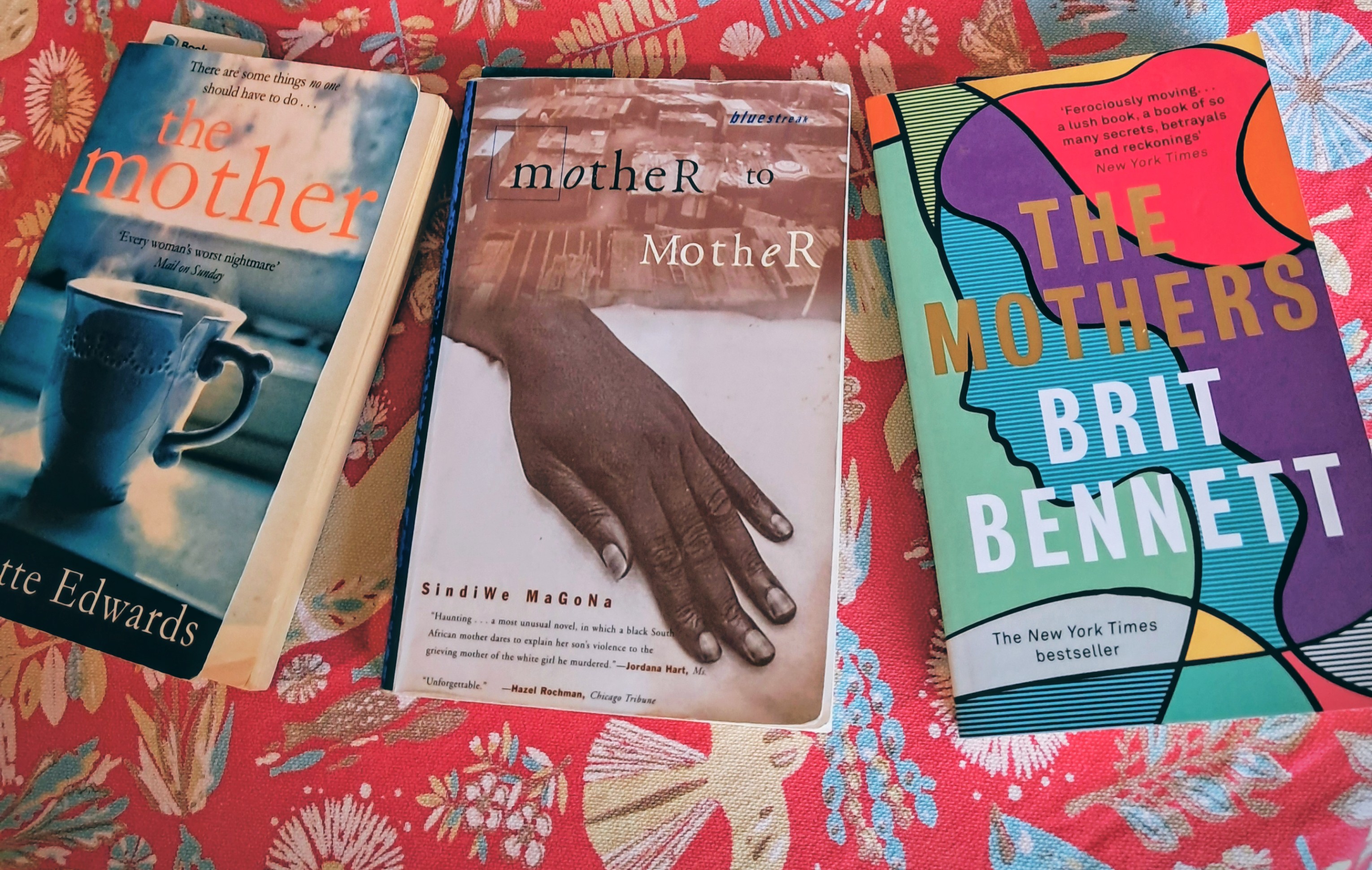
3 novels of mothers and motherhooh The Mother Yvvette Edwards Mother to Mother Sindiwe Magona The Mothers Brit Bennett

What is Brit Bennett Working On Now?

It has been a while since Brit Bennet’s second novel The Vanishing Half (2020), so I checked to see what she might be working on and learned that while there is no publication date yet, she is a ‘few drafts deep’ into a third novel, focused on R&B musicians, a girl group, about two singers who have a lifelong feud. It is said to deal with themes of rivalry, celebrity, and identity.

Author, Brit Bennett

Born and raised in Southern California, Brit Bennett earned her MFA in fiction at the University of Michigan.

Her debut novel The Mothers was a New York Times bestseller, and her second novel The Vanishing Half was an instant #1 New York Times bestseller. Her essays have been featured in The New Yorker, the New York Times Magazine, The Paris Review, and Jezebel.
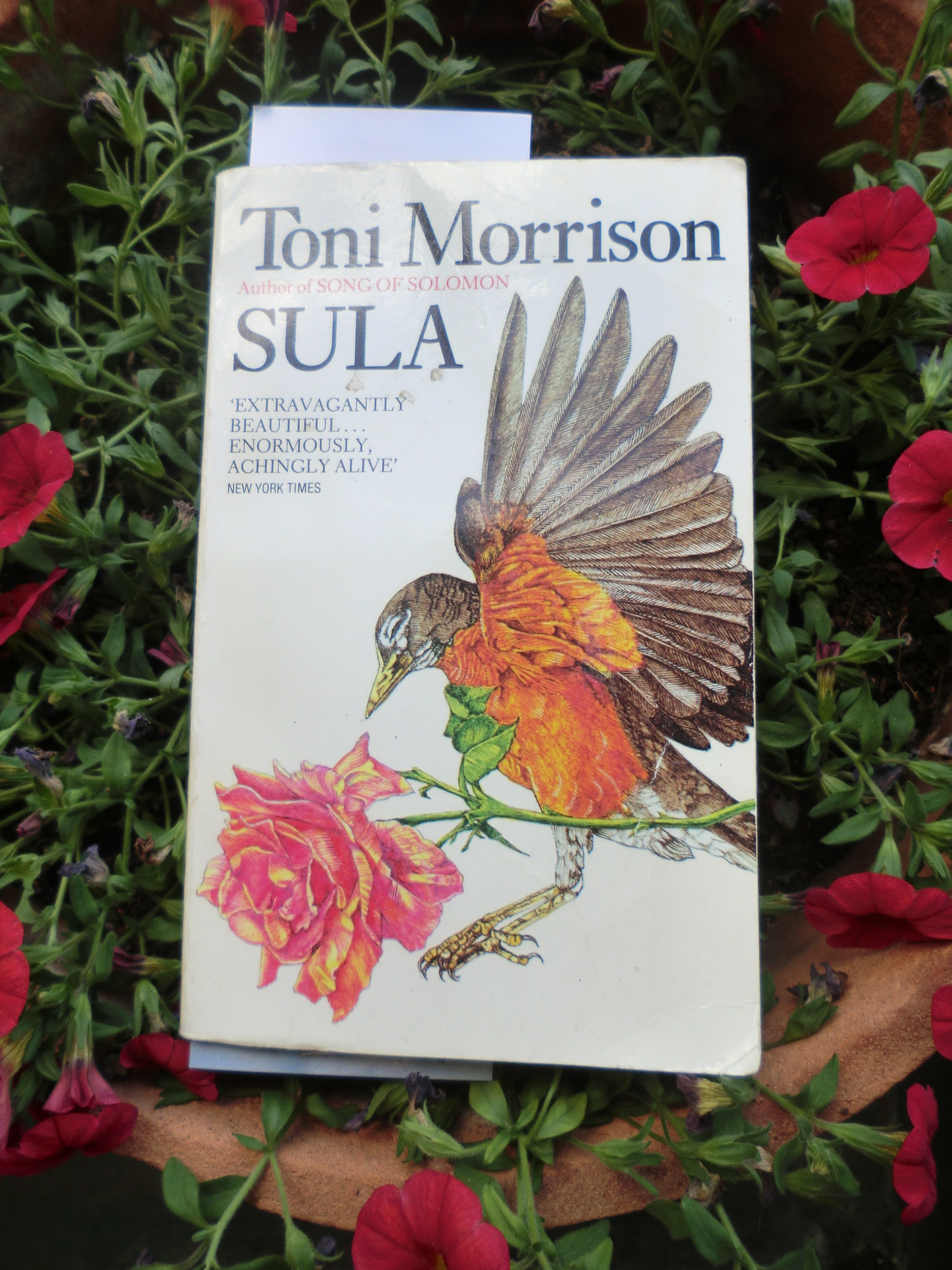
Sula, Toni Morrison

SulaA farmer promises freedom and a piece of land referred to as Bottom, to his slave if he performs some difficult chores. The town of Medallion grows up around the farmland, looking down on the valley where the more fertile land and the white folks live.

The slave blinked and said he thought valley land was bottom land. The master said, ‘Oh no! See those hills? That’s bottom land, rich and fertile.

‘But it’s high up in the hills,’ said the slave.

‘High up from us,’ said the master, but when God looks down, it’s the bottom. That’s why we call it so. It’s the bottom of heaven, the best land there is.’

It’s the town where Sula and Nel grow up in the 1920’s. Both are only children, Nel raised in her mother’s quiet, orderly neat home that oppresses her and keeps her protected and Sula in the home of her infamous grandmother Eva Pearce, a woman who hasn’t come downstairs in years and may or may not have done despicable things before she became one-legged and runs a kind of boarding house for vagrants.

“a household of throbbing disorder constantly awry with thins, people, voices and the slamming of doors”

In childhood, the two girls differences are insignificant, they revel in each other’s company, they test the boundaries of their community and environment, they experience joy and witness horror. They bury the past until it returns to haunt them in adulthood, when they can no longer avoid who they were always destined to be, thanks to the judgments and perceptions of others and the behaviours of those who went before them. And themselves.

“Their evidence against Sula was contrived, but their conclusions about her were not. Sula was distinctly different. Eva’s arrogance and Hannah’s self-indulgence merged in her and, with a twist that was all her own imagination, she lived out her days exploring her own thoughts and emotions, giving them full reign, feeling no obligation to please anybody unless their pleasure pleased her.”

The book is separated into two parts, the early 1920’s during the girls childhood and the late 30’s, early 40’s when Sula returns and creates a disturbing ripple throughout the small community, no longer used to her carefree ways, having forgotten the inclinations of the female characters she was spawned from. She becomes estranged from them all. Except one.

It is about the innocence and bonds of childhood, secrets between friends, the inclination to follow the well-trodden path of those who have gone before, despite the desire for freedom and individuality and the reluctance of others to see them any differently.

Toni Morrison

Toni Morrison

Her books are almost always the perfect size of a novella and every one of Toni Morrison’s stories I have read brings so much more than the sum of its pages to the reader in terms of things to consider, long after the last page is turned.

Her language is poetic, her characters resplendent with their flaws, they speak for the one and the many and show us ourselves, the parts we hide from view, that which is judged from outside and the inclination to judge without knowing.


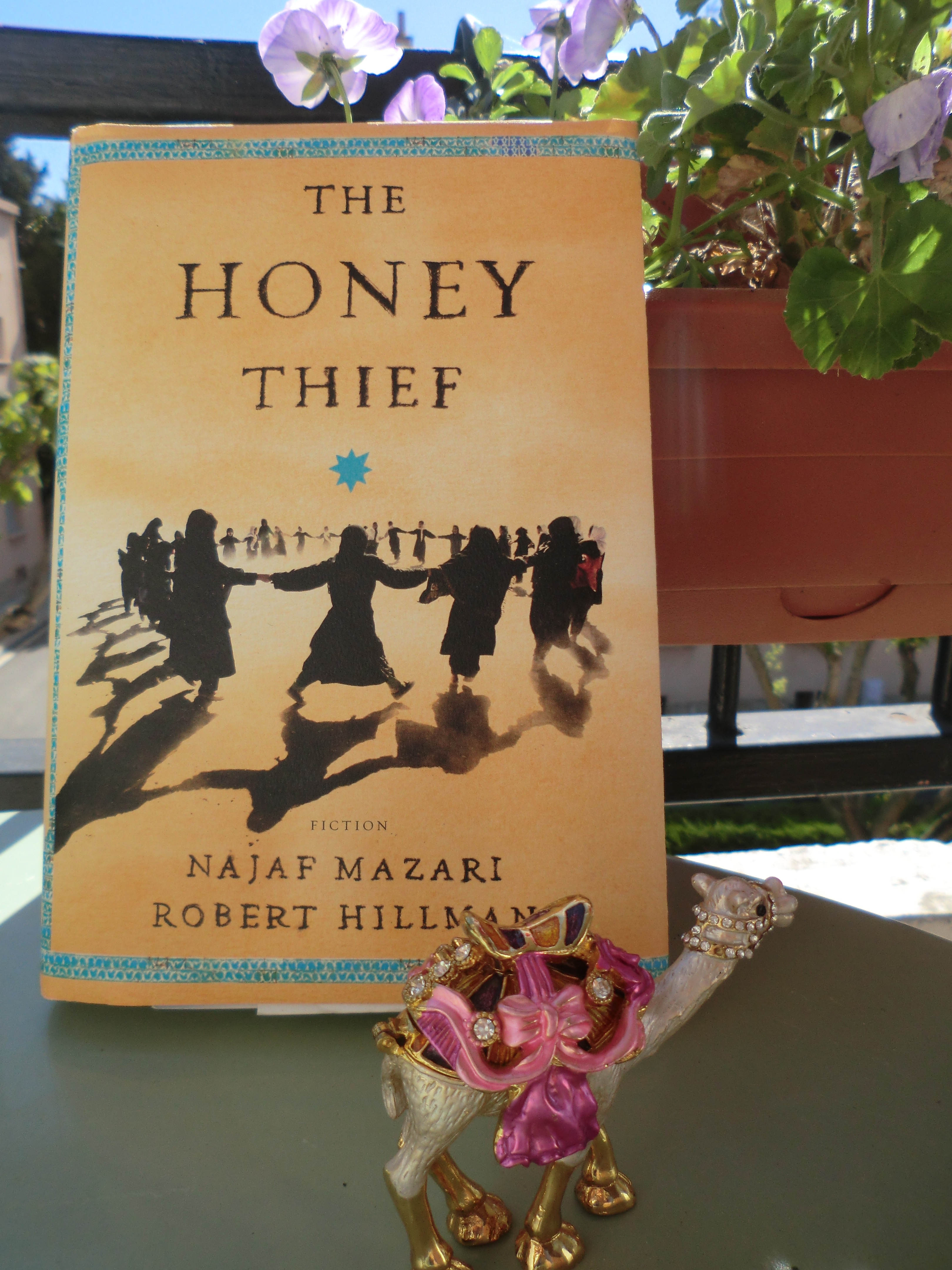
The Honey Thief Stories and Recipes by Najaf Mazari, Robert Hillman

I requested The Honey Thief to read because it appeared to offer a unique insight into a culture we know little about and about which we see and read far too much negative press.

The Honey ThiefThe book promised an alternative perspective, not because the author had lived an extra-ordinary life, but because as part of his upbringing he and others like him listened to these stories passed down and sometimes relived from one generation to the next. They are not about war, oppression, the Taliban, terrorists or western women living in a foreign culture, they are about sharing the wisdom and perspective of a people who have only experiences to share, wisdom to offer and guidance as their intent.

Sometimes stories are all that is left to be passed on to the younger generation and we are fortunate to be given this glimpse into these gifts of an ancient culture and tradition.

Ethnolinguistic map of Afghanistan ex wikipedia

Ethnolinguistic map of Afghanistan ex wikipedia

Najaf Mazari was born in Afghanistan, though he only refers to his homeland as that since he left it, because before anything he is Hazara, one of the many peoples of that vast and mountainous tract of land surrounded by six countries, Pakistan, China, Tajikistan, Uzbekistan, Turkmenistan and Iran and inhabited by more than 14 ethnic groups, separated socially and geographically.

Rather than an affinity with what we casually call Afghanistan, his loyalties are to his people and the area they have inhabited for at least 800 years, Hazarajat, although due to its’ long history of domination, they have often fled their spiritual home for the sanctuary of the mountains or other lands. But loyalty remains deep within them all, no matter where they find themselves.

Living as a refugee in Australia, Mazari with the aid of his friend Robert Hillman, shares these stories that are part of the fabric of Hazara life, stories of an oral tradition, keeping their bonds and culture alive, giving them courage and hope to continue to endure the many challenges that will face them, from family expectations to foreign visitors, to facing an enemy and offering forgiveness.

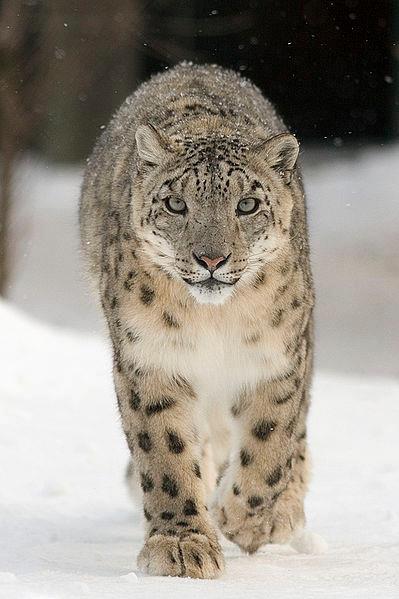
snow leopardThey know the mountains and rocks are loyal and must be respected, they read the wind and interpret the moon and understand that wars can last 100 years. We see their relationship to the mountains in the poignant story The Snow Leopard, where a visiting English photographer wishes to track and photograph the elusive creature. His first visit is unsuccessful, no one will guide him to those dangerous parts of the mountain where it is believed the snow leopard resides, as there is more than just the mountain to fear. On his second visit, he finds a guide and though unsuccessful, their journey is filled with insight, learning and a renewed respect for the mountain.

The stories share something of the way the Hazara see the world and the story The Honey Thief  brilliantly encapsulates their relationship with nature, animal life and shows how good can sometimes come from bad. The narrator shares with a boy how he became a beekeeper, caught red-handed stealing the honey, his captor observing that he wasn’t stung – thus finding his future apprentice.

Similarly this boy, whose grandfather is a wise man whom the villagers consult daily, discovers that even wise men have something to learn from young boys who like to ask lots of questions in The Wolf is the Most Intelligent of Creatures and learns that what might appear to be ill advice may in fact be the correct advice to give. This story, the very first, is sure to immediately challenge your own perceptions, something I adore in travel and delight in finding in a great tale.

Almost like fables and yet not, because all of these stories, while offering the seduction of a fable, are rooted in a realism that convinces the reader they tell of lives actually lived and not conjured up or given magical powers, a device that the common fable sometimes utilises.

The author Najaf Mazari

The narrator Najaf Mazari

And when the stories finish, we discover perhaps the greatest gift of all, one that can be referred back to and shared at home ourselves, a small collection of mouth-watering recipes with names and ingredients like Lamb Qorma, Sabzi Gosht, (lamb with spinach), Kofta Nakhod (beef & chickpeas), Boulanee (like Cornish pasties) and Chelo Nakhod (chicken & chickpea stew); surely living proof of the richness and diversity of their culinary culture and the trade that has passed between these boundaries of peoples for hundreds of years.

If you are interested in learning more, or considering reading the book, I highly recommend checking out these two excellent reviews:

  • Richard Marcus at BlogCritics – a beautiful, sensitive and concise review, how he packs so much into so few words, I’m still trying to figure out.
  • Elise Bauer at Simply Recipes – check out this short but flavoursome review and the recipe with pictures, she not only read the book, but cooked that first recipe with astounding success!

Note: This book was provided by the publisher Viking, a member of the Penguin Group US, in return for an honest review.