
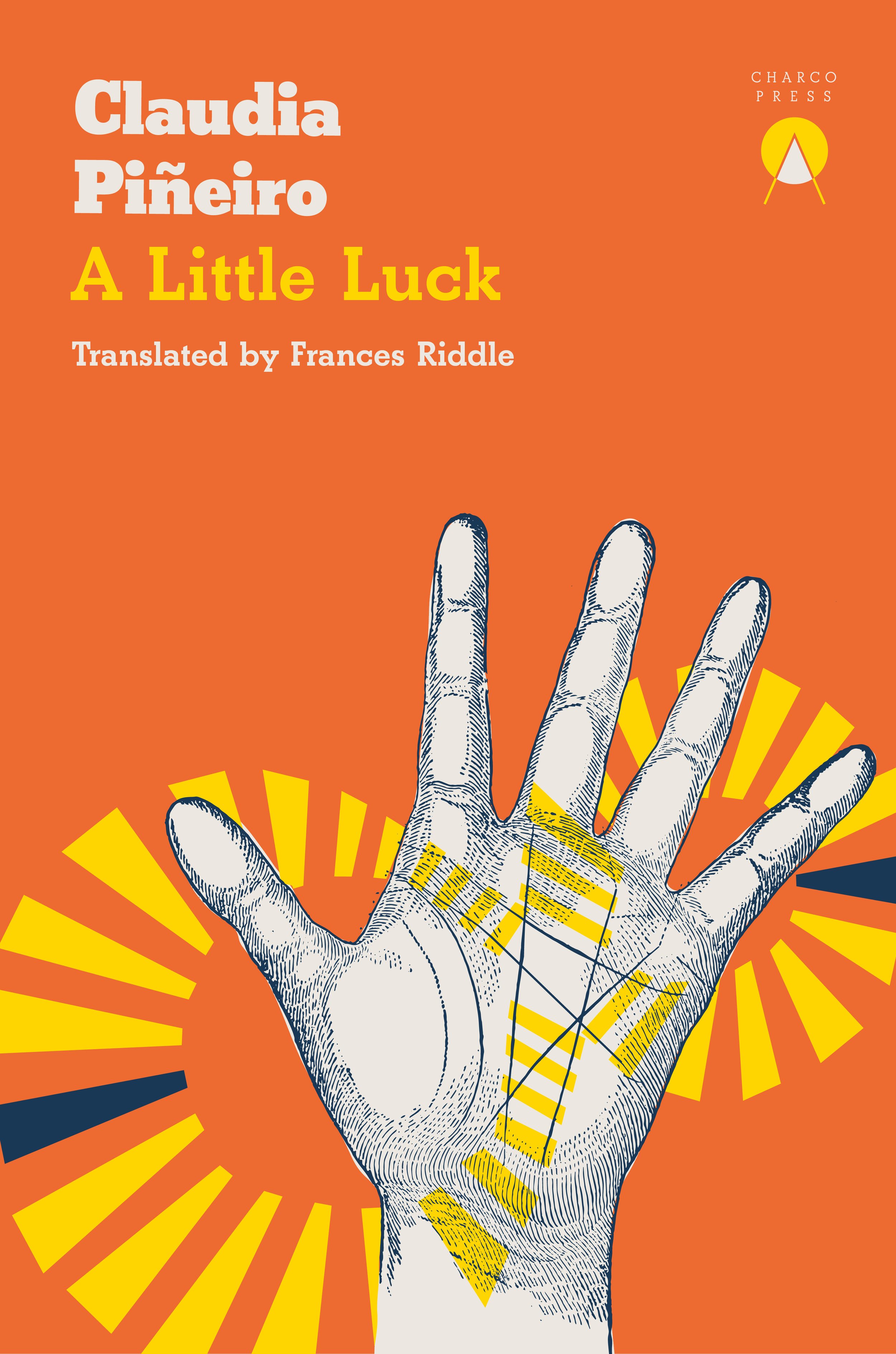
Stunning.
This was a heart-racing, thrilling and moving read that begins mysteriously as a woman returns to her home country (Argentina) following some kind of event 20 years earlier that we don’t fully learn of until almost halfway into the novel.
Though she lived most of her early life there, her physical appearance is so radically different, no one recognises her – yet.
We are made aware, though it takes a while to reveal, that she is anxious about the possibility of seeing someone connected to that past event, that sent her into self-imposed exile.
I should have said no, that I couldn’t go, that it would have been impossible for me to make the trip. Whatever excuse. But I didn’t say anything. Instead I made excuses to myself, over and over, as to why, even though I should’ve said no, I agreed in the end. The abyss calls to you. Sometimes you don’t even feel its pull. There are those who are drawn to it like a magnet. Who peer over the edge and feel a desire to jump. I’m one of those people. Capable of plunging headlong into the abyss to feel – finally – free. Even if it’s a useless freedom, a freedom that has no future. Free only for the brief instant that the fall lasts.
As the mystery unravels, the tension mounts. Each new chapter begins with part of the backstory, then stops, this is used as a kind of repetition, as the narrator acquires the courage to reveal the full extent of the backstory.
The constant repeating of this text adds to the volume of its impact on the reader and the sense of suspense and intrigue.
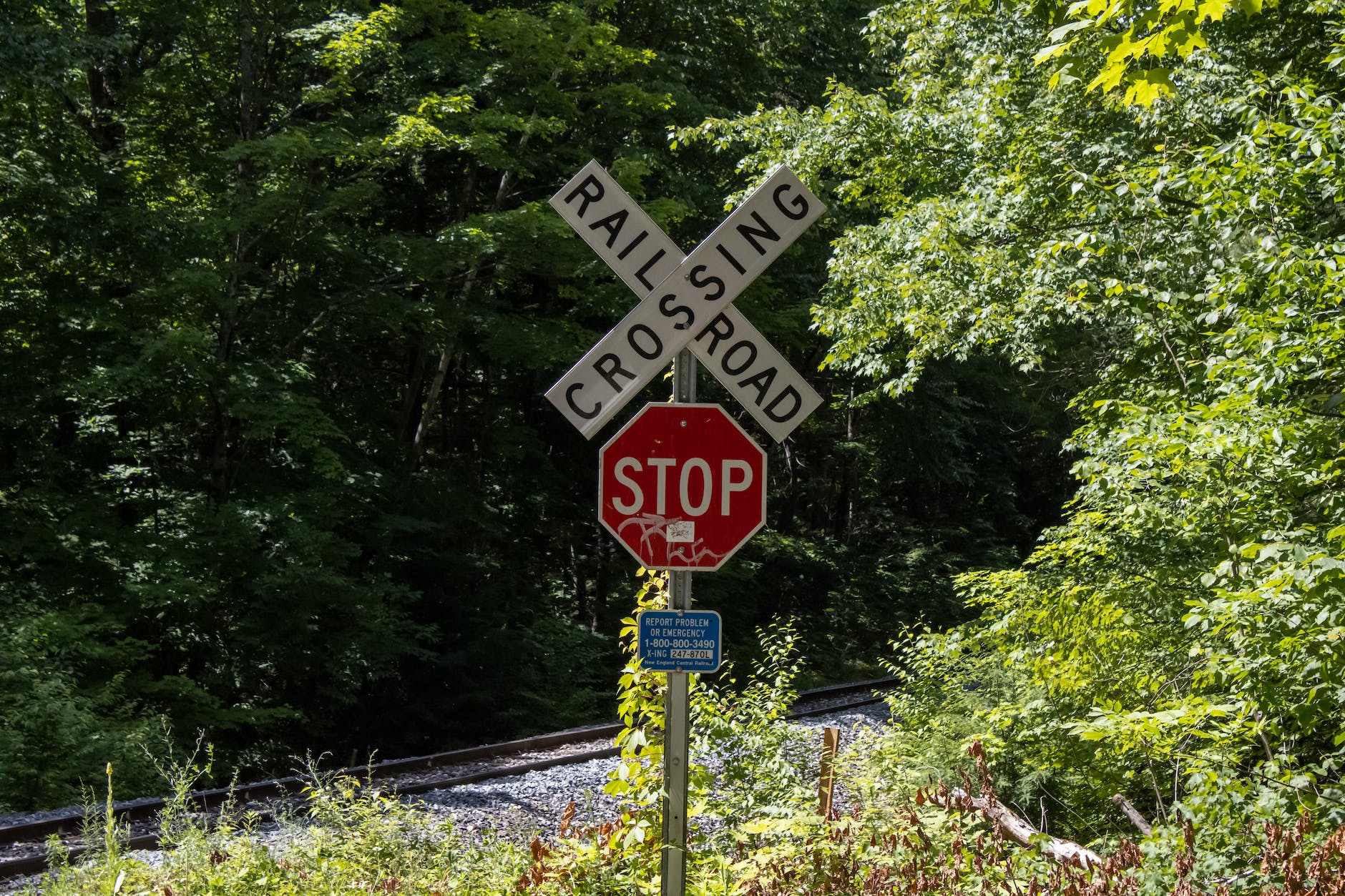
The barrier arm was down. She stopped, behind two other cars. The alarm bell rang out through the afternoon silence. The red lights below the railway crossing sign blinked off and on. The lowered arm, the alarm bell, and the red lights all indicated that a train was coming.
As these events of the past some into clarity, in the present day this woman is booking into a motel, arranging to visit the school that she will consider for accreditation, we encounter the mndane reason for her visit and the extraordinary motivation behind it.

Simultaneously we follow a small sub-plot drama featuring a bat. And a theme of entrapment. The story of the bat corresponds to our protagonists state of mind and how it evolves over the course of the novel. Once again she must make a life or death decision.
I’m still trapped. I must now decide whether to go out and face the task at hand or stay here and wait for the poison to kill me or the smoke to force me out.
Ultimately, it explores many themes, in a profound way, of motherhood, of domination, community judgement, condemnation and gas-lighting, of the effect of undermining a person’s self-worth, of twin aspects of abandonment, of why it might be deemed necessary and the effect it has on the one abandoned.
Do I deserve to explain why? What I mean is, do I have that right? The right to unburden myself and expect someone to listen?
Claudia Piñeiro’s Elena Knows (see my review here) I found curious; there is a similar feeling of mysteriousness as the author withholds telling all, drawing the reader in – however, in A Little Luck, she plummets the mind of the protagonist, letting us into her thoughts, showing us the events and enabling the reader to witness the reactions – allowing us to see the patterns, those all too familiar ways of subjugating a person, of the desire to blame, the withdrawal, the disappearance.
A Little Luck is also a story of healing, of kindness and finding the one person who puts the right thing in one’s way that will lead to release. In this story, a kind man finds the right stories that assist a woman to express and release suppressed emotions. And sends her on a trip.
I began to list the questions that I’d asked myself while reading Alice Munro’s story, questions posed in her words. ‘Is it true that the pain will become chronic? Is it true that it will be permanent but not constant, that I won’t die from the pain? Is it true that someday I won’t feel it every minute, even though I won’t spend many days without it?
Brilliantly conceived, after a few chapters, I absolutely could not put it down, I highlighted so many passages, and it had a surprising though satisfying, tear-jerking conclusion, definitely one of my top fiction reads of 2023. I read this in October, but found it hard to describe the intense reading experience, but I’m sharing my thoughts now, before my end of year review, where it will feature!
Highly Recommended, another fabulous title from Charco Press!
Claudia Piñeiro, Author
As an author and scriptwriter for television, Claudia Piñeiro has won numerous national and international prizes, among them the renowned German LiBeraturpreis for Elena Knows and the prestigious Sor Juana Inés de la Cruz Prize for Las grietas de Jara (A crack in the wall).
She is best known for her crime novels which are bestsellers in Argentina, Latin American and around the world. Many of her novels have been adapted for the big screen. According to the prestigious newspaper La Nación, Claudia Piñeiro is the third most translated Argentinean author, after Borges and Cortázar.
More recently, Piñeiro has become a very active figure in the fight for the legalisation of abortion in Argentina and for the legal recognition of writers as workers. Her fiction (as shown with Elena Knows) is stemmed in the detective novel but has recently turned increasingly political and ideologically committed, reflecting the active role she plays in the fight for the legalisation of abortion in Argentina and Latin America, and for the recognition of employment rights for writers..
 Word by Word