
In this post I share my Top 7 Fiction titles = One Outstanding Read of 2023, click here for Part 2, my Top 5 Nonfiction of 2023.
I have waited until this last day of December to share my Top Reads of 2023, thinking that there may be something to add in the last two weeks, sadly there wasn’t, instead there was a single book I struggled with that put me off reading, not wanting to pick it back up until yesterday.
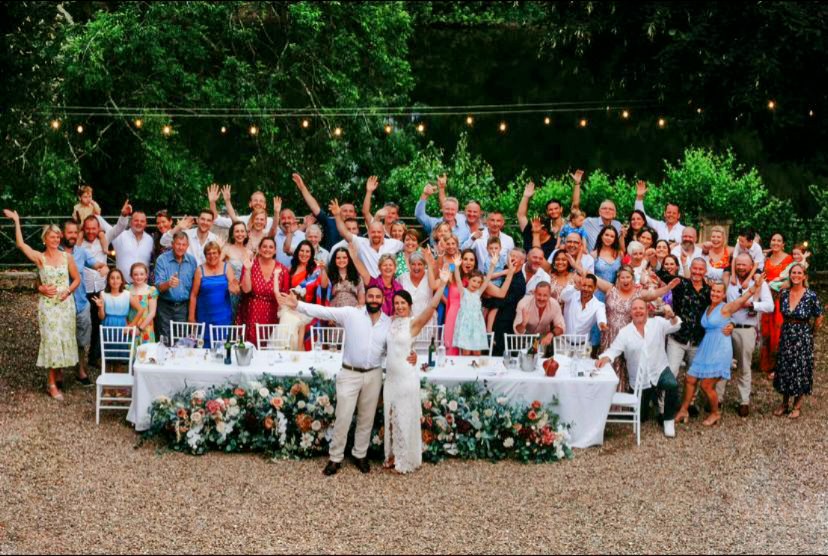
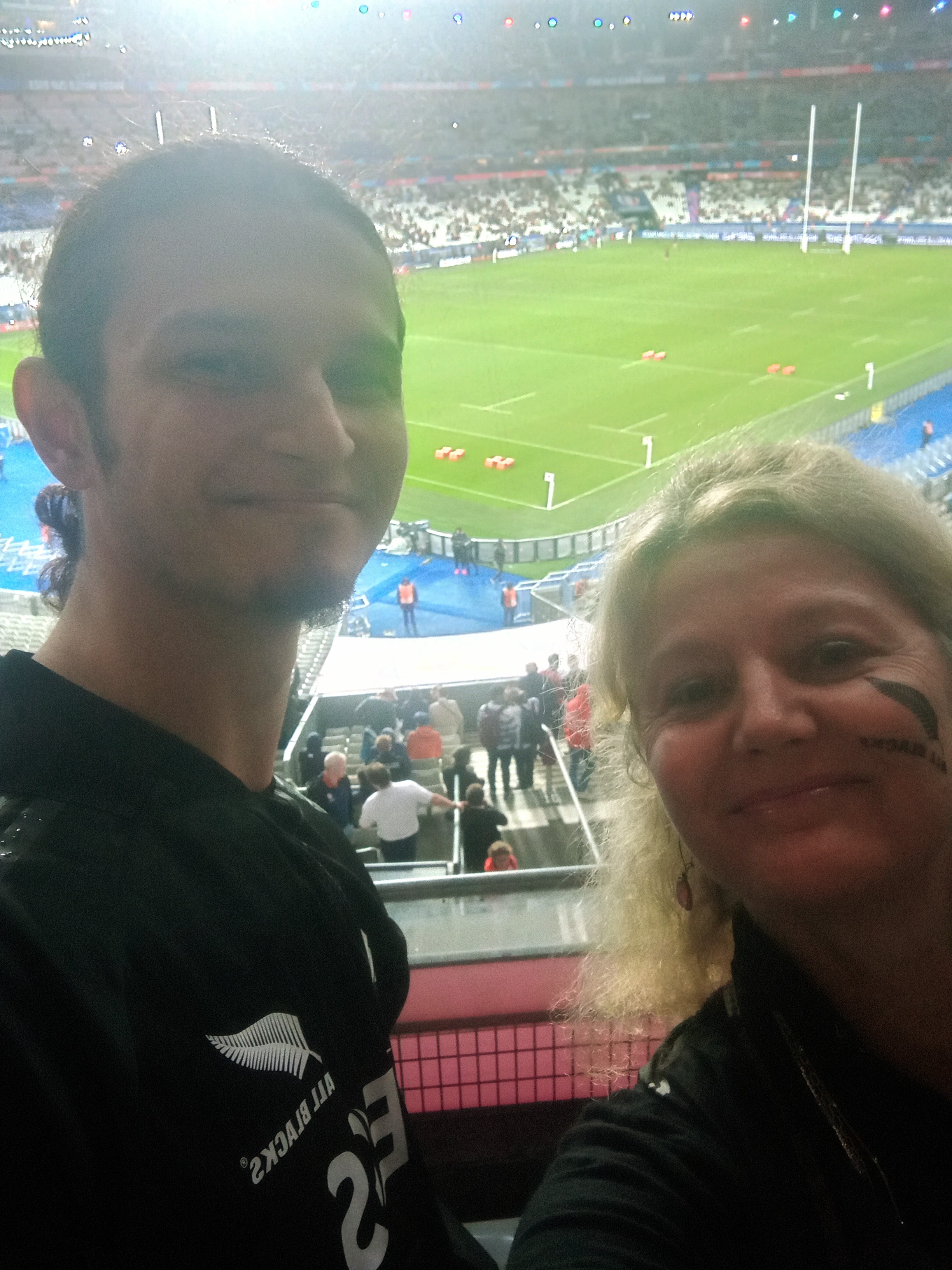
It’s been a great reading year, 68 books read despite a hiatus over the summer months when multiple humans encroached on my usual evening reading time, but it was worth it to see so many of my family and friends, visiting for the first time since 2019 thanks to wedding celebrations and a rugby world cup, here in France (with my son at the All Blacks vs Argentina semi-final, below right).
Non-Fiction Titles Continue to Ascend

Of the 68 books read, almost a third (19) were nonfiction, a recurring trend over the past few years.
I read so many excellent works of nonfiction this year, it was hard to whittle down my Top 5, as seven of the titles I read were 5 star reads.
For fiction, I’ve gone with a Top 7 but I’ll also share the other 5 star reads at the end.
Reading Around the World, A Small Island Nation Dominates
As you will know, I love to read around the world, works by authors from different countries, including in translation. And this year was no different, albeit with a lot more of the European reading from non-English language countries and Latin American featuring more prominently.

In 2023, I visited 23 countries through works of literature, with the lead country Ireland (18), with France (7), Argentina (4) and Italy (3) all in my top six destinations. I can predict that I’ll be spending more time in those literary destinations in 2024, thanks to a love of Irish literature which is indeed flourishing, a desire to read more French and Italian works and a 2024 Charco Press subscription for Latin America!
Opening Minds and Hearts Through Storytelling From Elsewhere

One of the great joys of recent years for me has been reading works originally written in other languages, translated into English and in particular, those often least favoured or likely to be published, women in translation.
What was a small niche aspect of publishing has become more popular, particularly with young adult readers, which is a life affirming trend, in an age where nationalism is so often promulgated.
In 2023 I read 22 books in translation, with seven of them 5 star reads and of my six outstanding fiction reads of the year, 3 of them were in translation.
It might take a little work to find these titles, but I’ve come to rely on my favourite independent presses, Europa Editions, Charco Press, One World Publications and more recently Daunt Books Publishing, who are reaching back to bring literary gems that deserve new light, to readers.
In this Part 1, I will share my Top Fiction Reads and Part 2 Top Non-Fiction Reads.
One Super Outstanding Read
14 novels were 5 star reads for me in 2023, so to whittle it down, I looked for those whose reading experience still stands out for me now in December. I always have one outstanding read, but this year there were seven I would describe as that, however there was that one that truly stood above them all, my Super Outstanding Read of 2023, that I read early in the year yet still feel the profound effect of reading it.
My One Super Outstanding Read of 2023 is:
Things They Lost by Okwiri Oduour (Kenya)
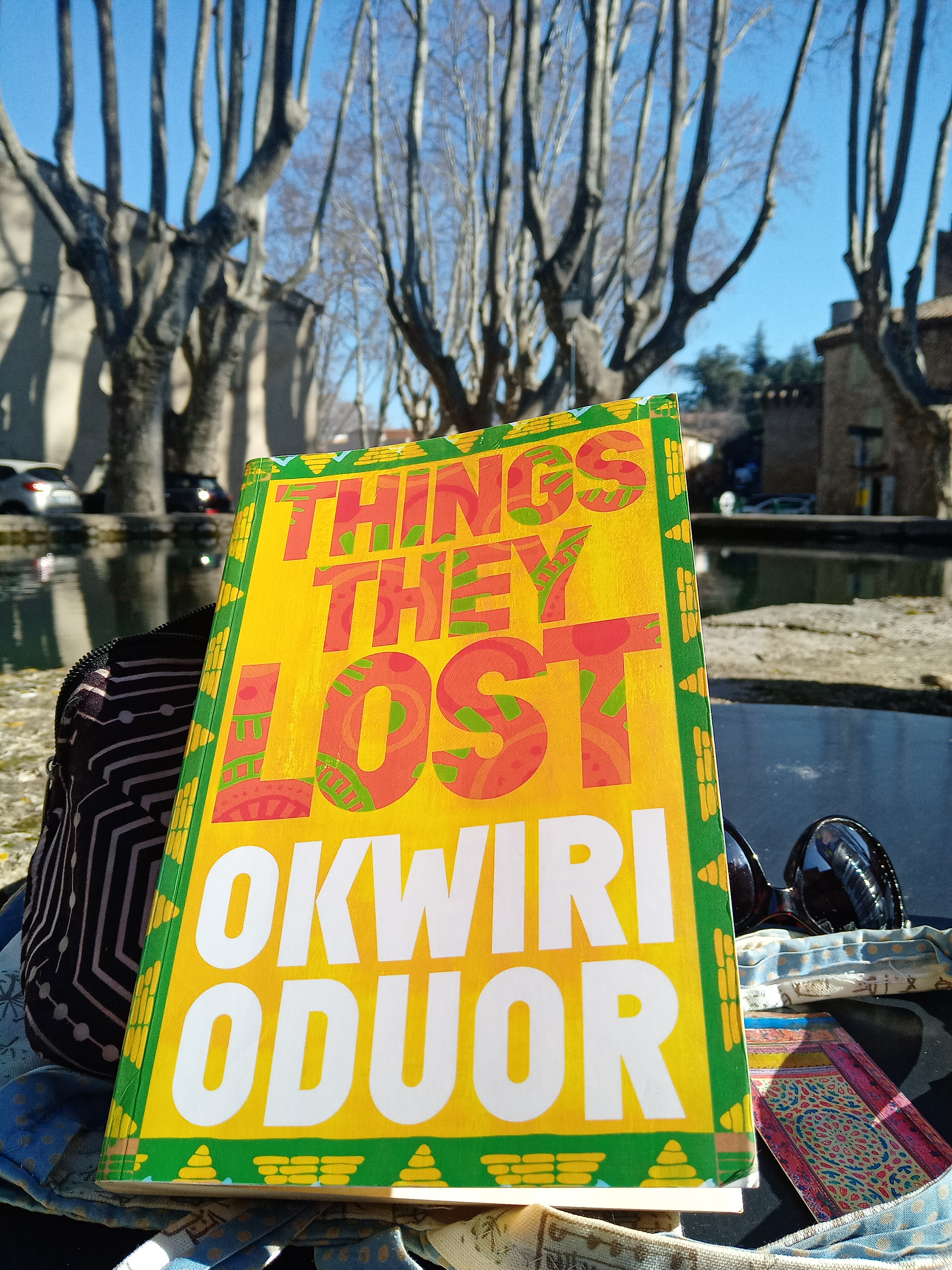
This book is an absolute gem, a post-colonial, coming of age novel of a young girl Ayosa, living in a neglected house, full of aspects of the past, whose mother is often absent; she is kept company by her notebook, the radio, a couple of kind neighbours and a new friend, all of whom compensate in some way for this loss. Ayosa is omniscient, and remembers things from before she was born.
The story is told in vibrant, mesmerising prose that depicts her coming of age, the effect of abandonment and the nurturing to be found in her community, while allowing the reader to see from another perspective. In letting go of our own version of reality, we are invited to see differently, to understand anew. A story of mothers, daughters and of girls who are abandoned and alone, of girls who create family with other lonesome girls and of how death continuously permeates our lives and how poetry can redeem it.
This is a wonderful example of the richness that comes from reading stories told through the lens of a culture and mythologies other than one’s own. What Oduor accesses and how she tells this story is unique, enlightening and unforgettable. It was one of the most exhilarating reading experiences I have ever had, so new and otherworldy and insightful. A favourite author immediately. Longlisted for the Dylan Thomas Prize 2023.
A total trip, I read this in February and nothing came close to knocking it off top spot.
Top 7 Fiction
In no particular order, here are my top fiction reads of 2023, click on the title to read my review:

Child of Fortune by Yuko Tsushima (Japan) (1978), translated by Geraldine Harcourt (1986)
– I have not read much Japanese literature, but I was intrigued to read Yuko Tsushima based on reviews I had read on JacquiWine’s Blog. This novella is an immersive account of a young mother of an 11-year-old daughter, raising her alone without support and under the judgmental eye of a sister, whom the daughter increasingly prefers to be around. It is an unravelling, a period of giving in to what others think, before a quiet reassertion of her own unconventional beliefs, an honest reckoning and struggle for freedom.
Introspective, often uncomfortable, an immensely powerful read.
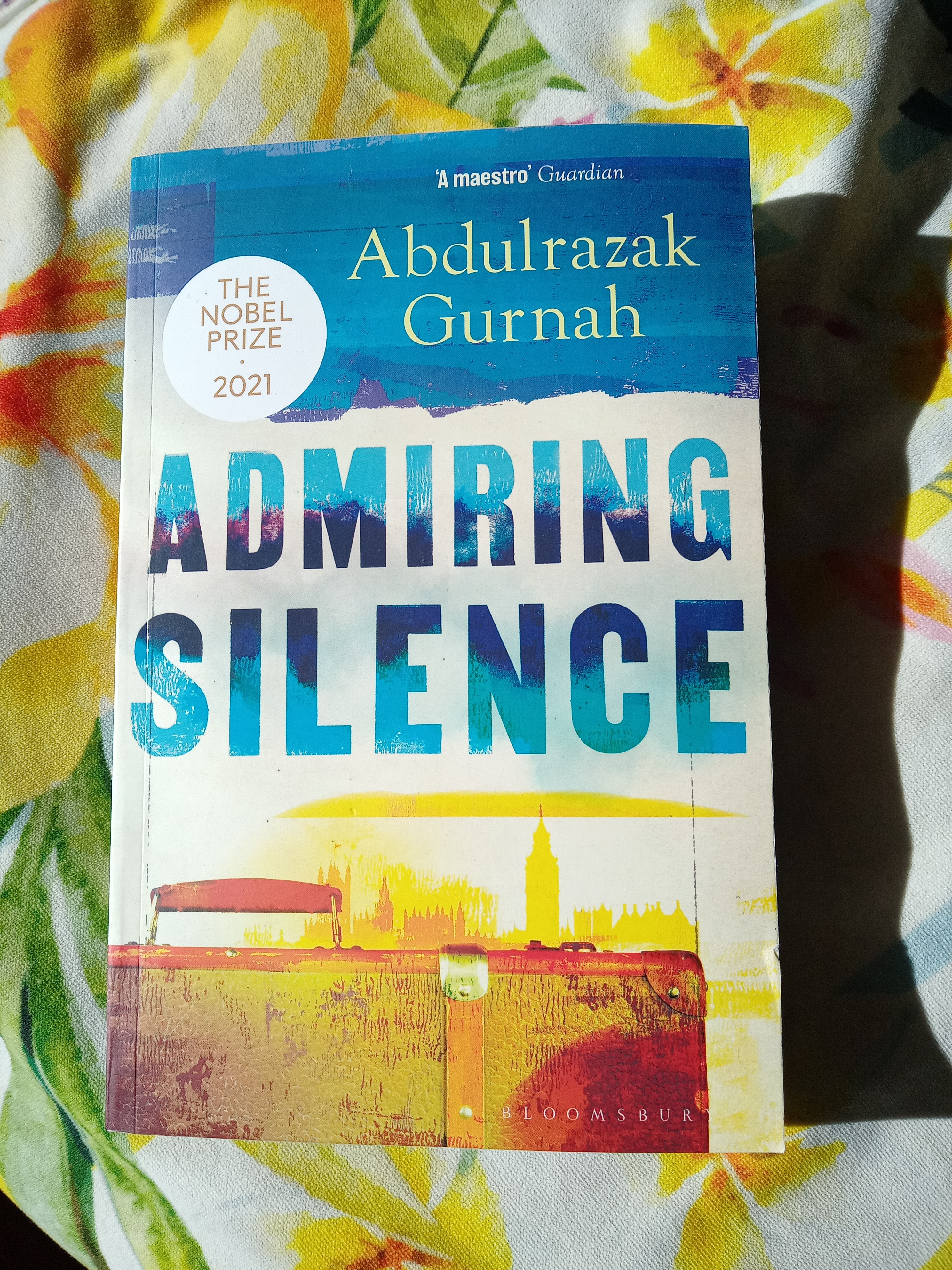
Admiring Silence by Abdulrazak Gurnah (Zanzibar/Tanzania/UK) (1996)
Gurnah won the Nobel Prize for Literature in 2021 and I chose this book to acquaint myself with his readability and discovered an insightful, erudite and humorous author from an island off the west of Africa, now based in the UK, who depicts the complexities of cross cultural relationships and the push/pull effect of having allegiances to two countries and cultures.
In this novel a young fatherless man from Zanzibar furthers his studies in England and begins to make a life there, without being totally upfront with his family about his circumstances. He observes his new life and relationships, avoiding his past, until it can no longer be ignored. 20 years after leaving, he returns.
Insightful, uncompromising yet compassionate, a chronicler of the outsider.
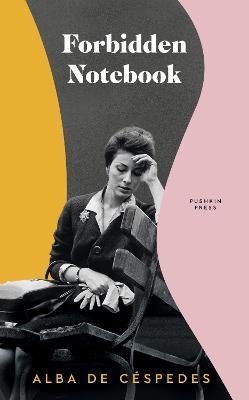
Forbidden Notebook, Alba de Céspedes (Italy/Cuba)(1952) translated by Ann Goldstein (Italian) (2023)
– this lost classic was a joy to discover and compelling to read as a middle aged working woman with two older children, begins to discover aspects of herself she has never dared to allow flourish, discovering through the act of writing in a notebook. The purchase of the notebook is her first transgressive act and the revelations within it will lead her to consider more. At first, a stranger to herself, it is revealing to witness how her thoughts and actions are often in conflict, so ingrained are society’s expectations, her will is unknown to her until she discovers it on the pages of her notebook.
A riveting, feminist awakening follows a restless rebellion from this unique Italian voice, with Her Side Of The Story (1949) coming in translation from Daunt Books Publishing in 2024.
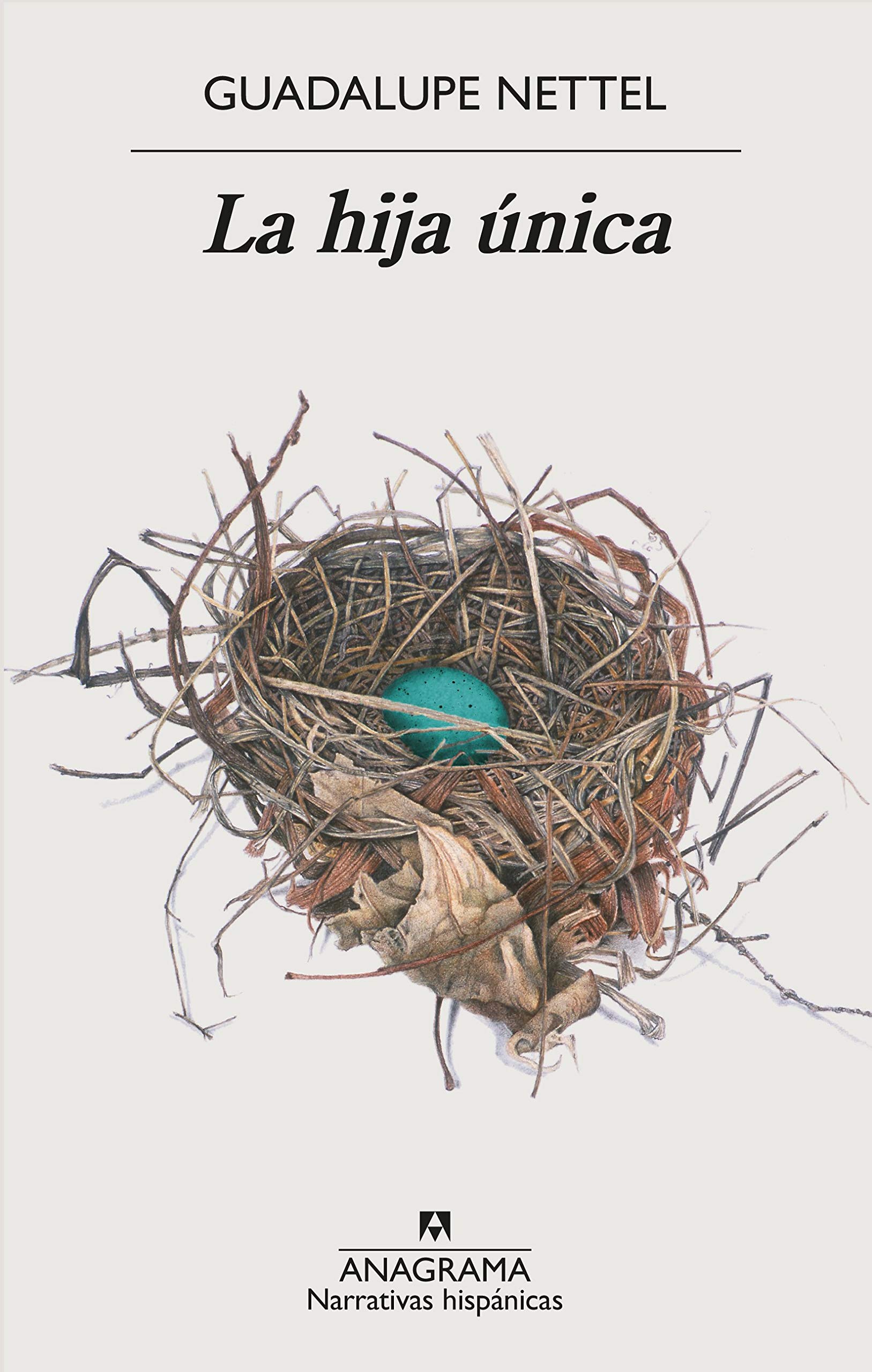
Still Born by Guadalupe Nettel (Mexico) (2020), translated by Rosalind Harvey (Spanish) (2023)
– shortlisted for the International Booker 2023, this was a standout read for me, another whose method of storytelling was so compelling, it felt like I was reading a true story; I was sure the author must have had first hand experience to have portrayed much of what I read, as it concerned a family with a child that was often hospitalised and the way their treatment by the institution made them feel.
The story is about two independent and career-driven women, friends who initially declared they did not wish to have children and how their lives change as motherhood touches in different ways.
Like Claudia Pineiros’s A Little Luck, there is a thematic subplot, this time involving a pair of pigeons with two eggs in their nest, that appear to have been subject to a brood parasite.
A riveting read, a visceral encounter of all that surrounds the decision or be or not to become a mother, a carer and how the most insistent of intentions can mould, evolve and change according to our nature and circumstances.
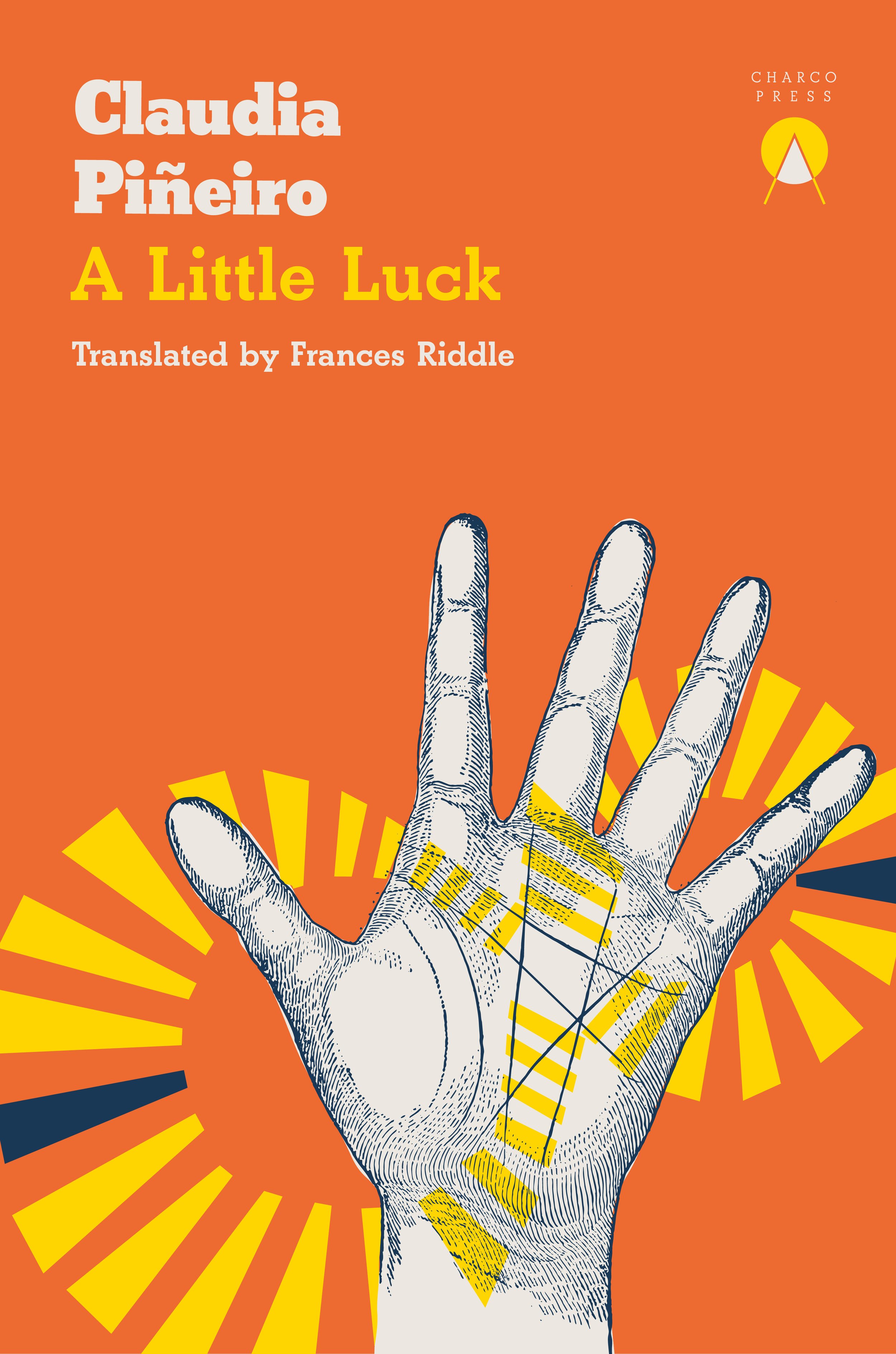
A Little Luck by Claudia Piñeiro (Argentina)(2015) translated by Frances Riddle (Spanish) (2023)
– having enjoyed Elena Knows I was keen to read more and this was absolutely stunning, intense, moving and one I could not put down. A woman returns to her home town after 20 years, in fear of what she is likely to confront. As her backstory is slowly revealed her visit provides the opportunity to reflect on the past and heal from tragic events.
A tour de force!

Old God’s Time by Sebastian Barry (Ireland) (2023)
– clearly a writer at the height of his literary powers, this was a riveting, yet slow burning, introspective read. It observes a retired policeman’s new routine in his first year of retirement, disrupted by the investigation of a cold case, which awakens old memories of events he has no wish to revive.
The way Barry writes, we enter the declining mind of his protagonist, equally unsure of what is real and what is memory trying to re-impose itself. As the story progresses, the past comes back with a force, revealing the effect of rage and the counter effect of genuine familial love. Utterly brilliant.

Soldier Sailor by Claire Kilroy (Ireland) (Literary Fiction) (2023)
– a new author for me, Soldier, Sailor made quite an impression on those who read it including me. It confirms that I love to read books that make you feel the experience of the protagonist, this is a clear theme in many of my top fiction reads for 2023.
Soldier Sailor is the story of a mother (Soldier) and her son (Sailor) and the wild ride that entering motherhood takes her on, one she is little prepared for and ravaged by. Never sentimental, it takes the reader to the edge of a woman’s sanity, to coping and not coping with the onslaught of caring for an unformed, small human, a text written in the second person, addressed to that son, a sharing and a warning to him, to beware and be aware.
Motherhood as a thriller, a test of one’s sanity, the necessity of solidarity with a genuine friend.
The Special Mentions, The Other Seven
I couldn’t leave without sharing the close runners up, all of which were five star reads, that I highly recommend, I will leave you to discover them through my reviews (click on the title) below, should you be interested to learn more about their merits.
I loved the short story collection, Sambac Beneath Unlikely Skies (2021) by Heba Hayek (Gaza, Palestine) short vignettes of childhood, auto-biographical fiction; I was riveted by the debut novel The Dry Heart (1947) by Natalia Ginzburg (Italy) translated by Frances Fenaye (2021); in deep admiration of the classic debut novel Go Tell it On The Mountain (1953) by James Baldwin (US); best summer light read Lessons in Chemistry (2022) by Bonnie Gamus (US); most informative and memorable, historical fiction, The Art of Losing (2017) by Alice Zeniter (French) translated by Frank Wynne (2021); the unforgettable reflections of two men observing a fallen man in Two Sherpas (2018) by Sebastian Martinez Daniell (Argentina) translated by Jennifer Croft (Spanish) (2023); and another excellent novel in Baumish prose, from one of my all-time favourite authors Seven Steeples (2023) by Sara Baume (Ireland).
* * * * * * * *
Did any of these make your year end favourites? I hope you fins something here that might tempt your reading taste buds in 2024. Happy Reading and Happy New Year All.

 Word by Word