
This year’s longlist includes 16 genre-spanning novels, offering an expansive world that pulls readers in with rich storytelling and deeply resonating themes.
2025 marks the 30th anniversary of the Women’s Prize for Fiction and the second Women’s Prize for Non-Fiction. Check out the longlist for the Women’s Prize for Non-Fiction here.
Here is the Women’s Prize Fiction longlist, with a judge’s comment on each title and summary:
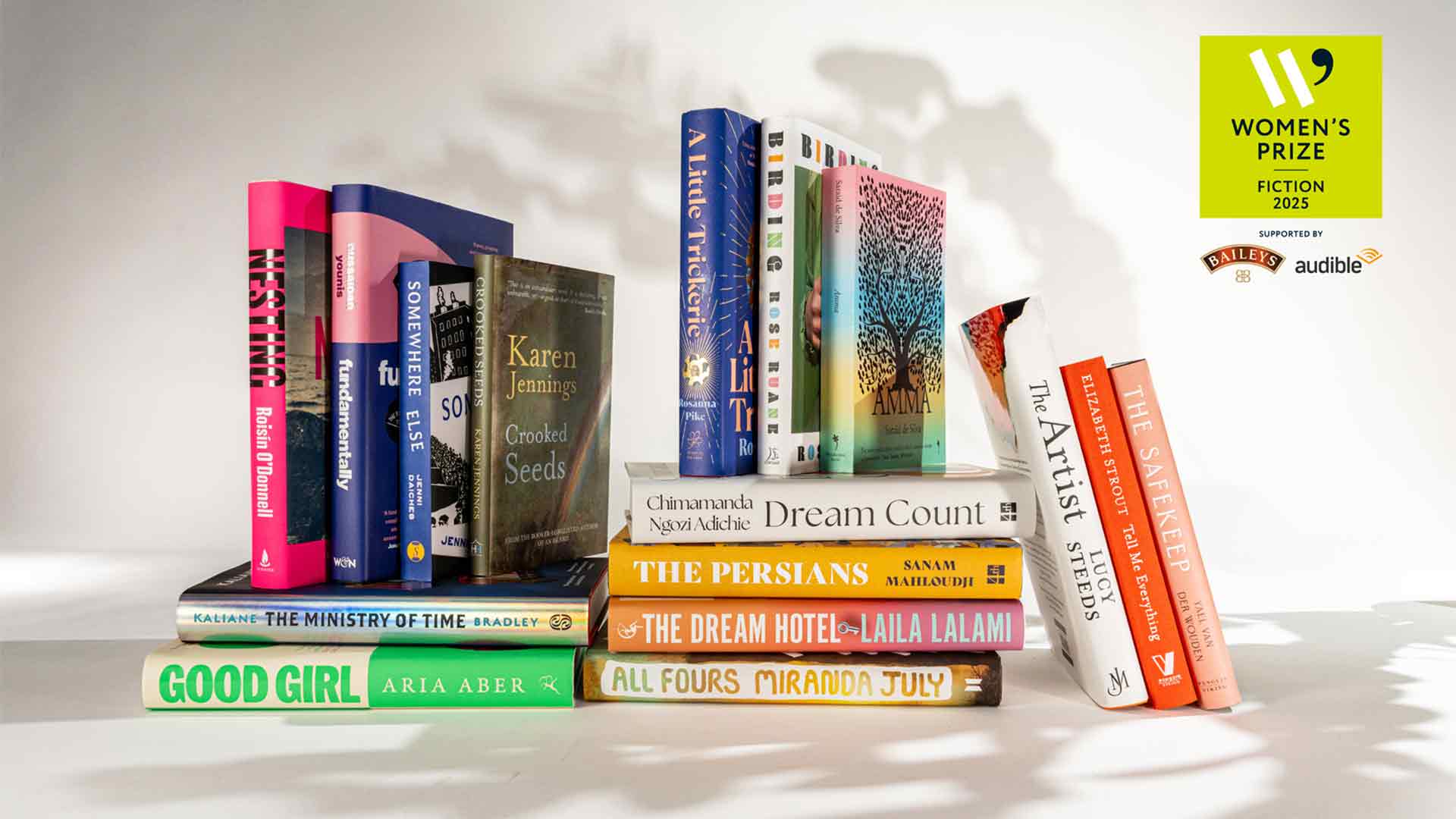
Good Girl by Aria Aber (Germany/US/Afghanistan)
“a highly emotive psychedelic read, with writing that is poetic and incredibly moving. Set in Berlin’s artistic underground, it follows Nila, a young woman born to Afghan parents, as she come to terms with her identity.”
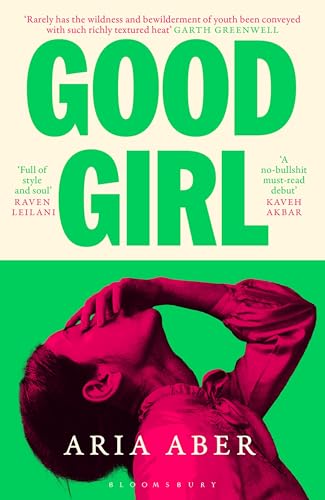
In Berlin’s underground, where techno rattles buildings still scarred with the violence of the last century, nineteen-year-old Nila finds her tribe. In their company she can escape the parallel city that made her, the public housing block packed with refugees and immigrants, where the bathrooms are infested with silverfish and the walls are graffitied with swastikas.
Escaping into the clubs, Nila tries to outrun the shadow of her dead mother, once a feminist revolutionary; her catatonic, defeated father; and the cab-driver uncles who seem to idle on every corner. To anyone who asks, her family is Greek, not Afghani.
And then Nila meets American writer Marlowe Woods, whose literary celebrity, though fading, opens her eyes to a world of patrons and festivals, one that imbues her dreams of life as an artist with new possibility. But as she finds herself drawn further into his orbit and ugly, barely submerged tensions begin to roil and claw beneath the city’s cosmopolitan veneer, everything she hopes for, hates, and believes about herself will be challenged.
The Ministry of Time by Kaliane Bradley (UK/Cambodia)
“This is a genre bending novel, it’s sci-fi, it’s romance, it’s a spy thriller, fantasy, and historical fiction about a civil servant who falls in love with a man from 1857. This book was addictive, propulsive and a total joy to read.”

In the near future, a disaffected civil servant is offered a lucrative job in a mysterious new government ministry gathering ‘expats’ from across history to test the limits of time-travel.
Her role is to work as a ‘bridge’: living with, assisting and monitoring the expat known as ‘1847’ – Commander Graham Gore. As far as history is concerned, Commander Gore died on Sir John Franklin’s doomed expedition to the Arctic, so he’s a little disoriented to find himself alive and surrounded by outlandish concepts such as ‘washing machine’, ‘Spotify’ and ‘the collapse of the British Empire’. With an appetite for discovery and a seven-a-day cigarette habit, he soon adjusts; and during a long, sultry summer he and his bridge move from awkwardness to genuine friendship, to something more.
But as the true shape of the project that brought them together begins to emerge, Gore and the bridge are forced to confront their past choices and imagined futures. Can love triumph over the structures and histories that have shaped them? And how do you defy history when history is living in your house?
Somewhere Else by Jenni Daiches (Scotland/US)
“This was a beautiful book about a young child who escapes Poland and is adopted by a Scottish couple. It is an epic generational story about womanhood and living in a country even though you feel that home is somewhere else.”

Rosa Roshkin is five years old when her family are murdered in a pogrom and she is forced to leave behind everything she knows with only a suitcase of clothes and her father’s violin.
An epic generational novel about womanhood and Judaeo-Scottish experience across two World Wars, the creation of Israel and the fall of the Berlin Wall. Jenni Daiches’s Somewhere Else explores today’s most difficult and urgent questions, not least of which: how to find identity in displacement.
Amma by Saraid de Silva (Sri Lanka/New Zealand)
“I didn’t want this book to end. It’s a multi-generational story about a Sri-Lankan woman, her daughter and her grand-daughter, and spans decades and countries from Sri-Lanka to New Zealand. It shows how societal judgments on women have changed over time, and there are so many powerful scenes in it, that it stayed with me long after finishing the book.”

1951, Singapore. Ten-year-old Josephina kills her abuser. This event becomes the defining moment in the lives of Josephina, her daughter Sithara, and her granddaughter Annie. The effects cascade through generations as Annie sets out across the world to discover what happened to fracture her family.
Set in Sri Lanka, Singapore, New Zealand, Australia and London, Amma is a novel about how the past lives with us forever, and wherever we are. Written in sensuous, vivid prose, Amma is a story of the rich history and unknown future of the Sri Lankan diaspora – and of one family desperately trying to find peace.
Crooked Seeds by Karen Jennings (South Africa)
“This book is set in Cape Town. It’s a sort of mystery book, but also about alcoholism. It made my skin crawl, in the best possible way.”

Deidre is a victim, of her family, her society, her history. That is how she sees herself, and so she feels free of all obligations, moral and practical. Until the police take her back to her family home… In a Cape Town where water is rationed and has to be collected from trucks each day, with the consequences of apartheid and the ending of it still evident, Deidre lives from day to day in squalor – largely created by herself – borrowing, persuading, cadging her way from the water trucks to the bar, testing the tolerance and pity of everyone she knows. Then she is contacted by the police, and taken by a respectful constable to the house where she grew up and where she lost her leg in a shattering explosion while still young. Faced with what is found there, she has to accept the truth of her past, and of her older brother, her parents’ golden boy. She must confront herself and her responsibility, and what it truly is to be a victim.
All Fours by Miranda July (US)
“This is a conversation starting book. The minute I finished it, I ordered copies for all of my friends. It feels like part manifesto, part battle cry.”

A semi-famous artist announces her plan to drive cross-country from LA to NY. Thirty minutes after leaving her husband and child at home, she spontaneously exits the freeway, beds down in a nondescript motel and immerses herself in a temporary reinvention that turns out to be the start of an entirely different journey.
Miranda July’s novel confirms the brilliance of her unique approach to fiction. With a wry voice, perfect comic timing, unabashed curiosity about human intimacy and palpable delight in pushing boundaries, All Fours tells the story of one woman’s quest for a new kind of freedom. Part absurd entertainment, part tender reinvention of the sexual, romantic and domestic life of a 45-year-old female artist, it transcends expectations while excavating our beliefs about life lived as a woman. Once again, July hijacks the familiar and turns it into something new and thrillingly, profoundly alive.
The Dream Hotel by Laila Lalami (Morocco/US)
“It’s a book that explores the consequences of a society that becomes hyper reliant on algorithms. And the world created by Laila seems scarily within reach. I’ve not stopped thinking about it.”

Sara is returning home from a conference abroad when agents from the Risk Assessment Administration pull her aside at the airport. Using data from her dreams, their algorithm has determined that she is at imminent risk of harming her husband. For his safety, she must be transferred to a retention centre, and kept under observation for twenty-one days.
But as Sara arrives to be monitored alongside other dangerous dreamers, she discovers that with every deviation from the facility’s strict and ever-shifting rules, their stays can be extended – and that getting home to her family is going to cost much more than just three weeks of good behaviour…
The Dream Hotel is a gripping speculative mystery about the seductive dangers of the technologies that are supposed to make our lives easier. As terrifying as it is inventive, it explores how well we can ever truly know those around us – even with the most invasive surveillance systems in place.
The Persians by Sanam Mahloudji (Iran/US)
“This book is full of larger than life characters, and rich in Iranian history and glamour. It’s funny, gutsy, confident writing with shifting voices and different modes of storytelling.”

Meet the women of the Valiat family. In Iran, they were somebodies. In America, they’re nobodies.
There is Elizabeth, the regal matriarch with the large nose, who remained in Tehran despite the revolution. She is kept company by Niaz, her young, Islamic-law-breaking granddaughter. In America, Elizabeth’s two daughters have built new lives for themselves. There’s Shirin, a flamboyantly high-flying event planner in Houston, who considers herself the family’s future; and Seema, a dreamy idealist turned bored housewife languishing in Los Angeles. And then there’s the other granddaughter, Bita, a disillusioned law student in New York trying to find deeper meaning by giving away her worldly belongings.
When an annual vacation in Aspen goes awry and Shirin is bailed out of jail by Bita, the family’s brittle upper class veneer is cracked open and gossip spreads like wildfire. Shirin must restore the family name to its former glory. But what does that mean in a country where the Valiats never mattered to anyone? And, will reputation be enough to make them a family again?
Spanning from 1940s Iran into a splintered 2000s The Persians is an irresistible portrait of a unique family in crisis that explores timeless questions of love, money, art and fulfilment. Here is their past, their present and a possible new future for them all.
Dream Count by Chimamanda Ngozi Adichie (Nigeria/US)
“This book explores fragile female friendships and deals with race, with class, with motherhood, with the absence of motherhood. It’s completely vivid and real, fantastic dialogue, and stories that will stay with you long after you finish reading.”
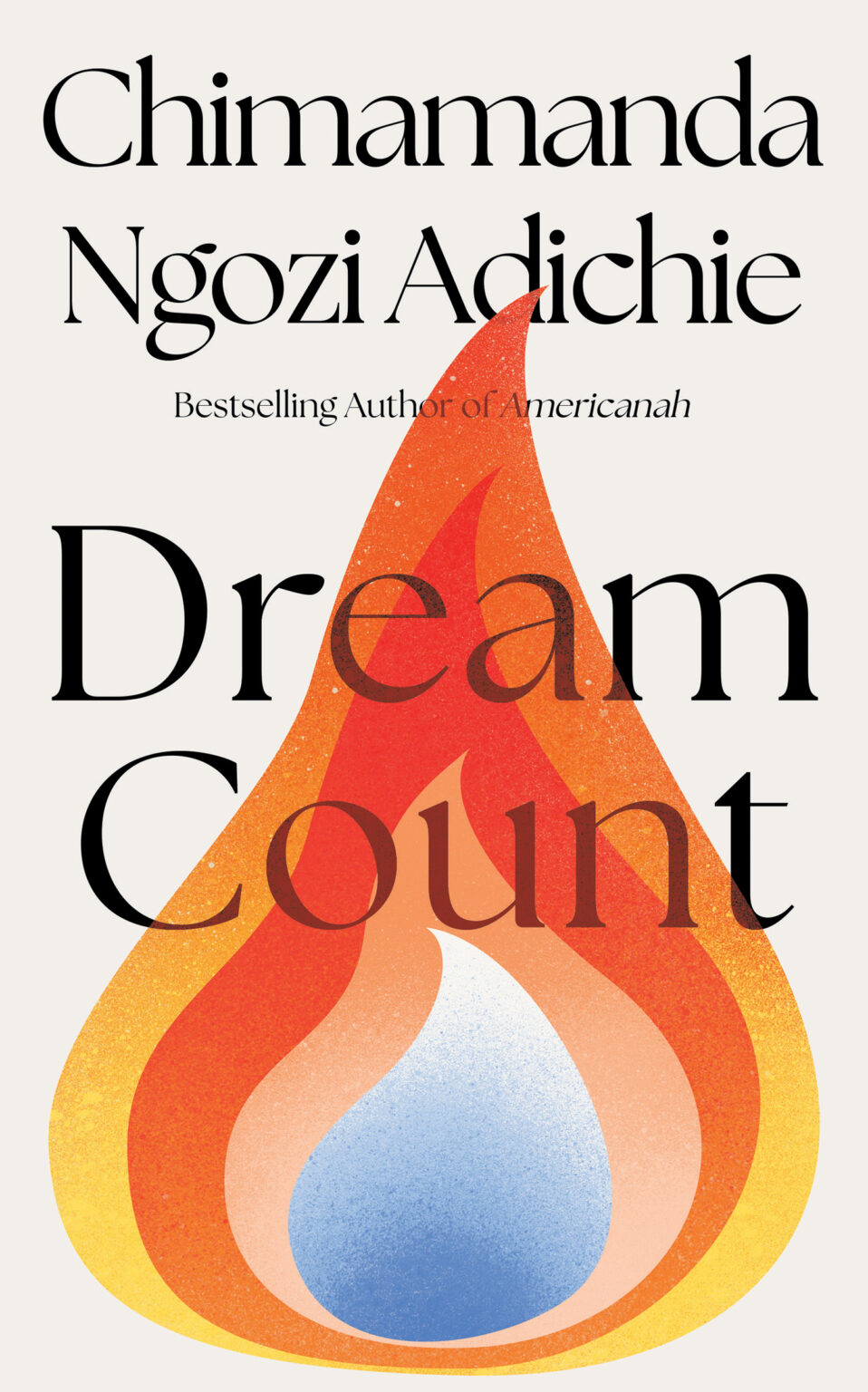
Chiamaka is a Nigerian travel writer living in America. Alone in the midst of the pandemic, she recalls past lovers and grapples with her choices and regrets. Zikora, her best friend, is a lawyer who has been successful at everything until — betrayed and brokenhearted — she turns to the person she thought she needed least. Omelogor, Chiamaka’s bold, outspoken cousin, is a financial powerhouse in Nigeria who begins to question how well she knows herself. And Kadiatou, Chiamaka’s housekeeper, is proudly raising her daughter in America – but faces an unthinkable hardship that threatens all she has worked to achieve.
In Dream Count, Adichie trains her eye on these women in a transcendent novel that takes up the nature of love itself. Is true happiness attainable or is it a fleeting state? And how honest must we be with ourselves in order to love, and to be loved? A reflection on the choices we make and those made for us, on daughters and mothers, on our interconnected world, Dream Count pulses with emotional urgency and poignant, unflinching observations on the human heart, in language that soars with beauty and power. It confirms Adichie’s status as one of the most exciting and dynamic writers on the literary landscape.
Nesting by Roisín O’Donnell (Ireland)
“This book is written about a subject we don’t see written about enough. It’s about domestic violence. Really strong narrative voice, with lots of sympathy and empathy. And yet, all the information that you need, that we really should have, about what happens when people flee a domestic violence situation.”
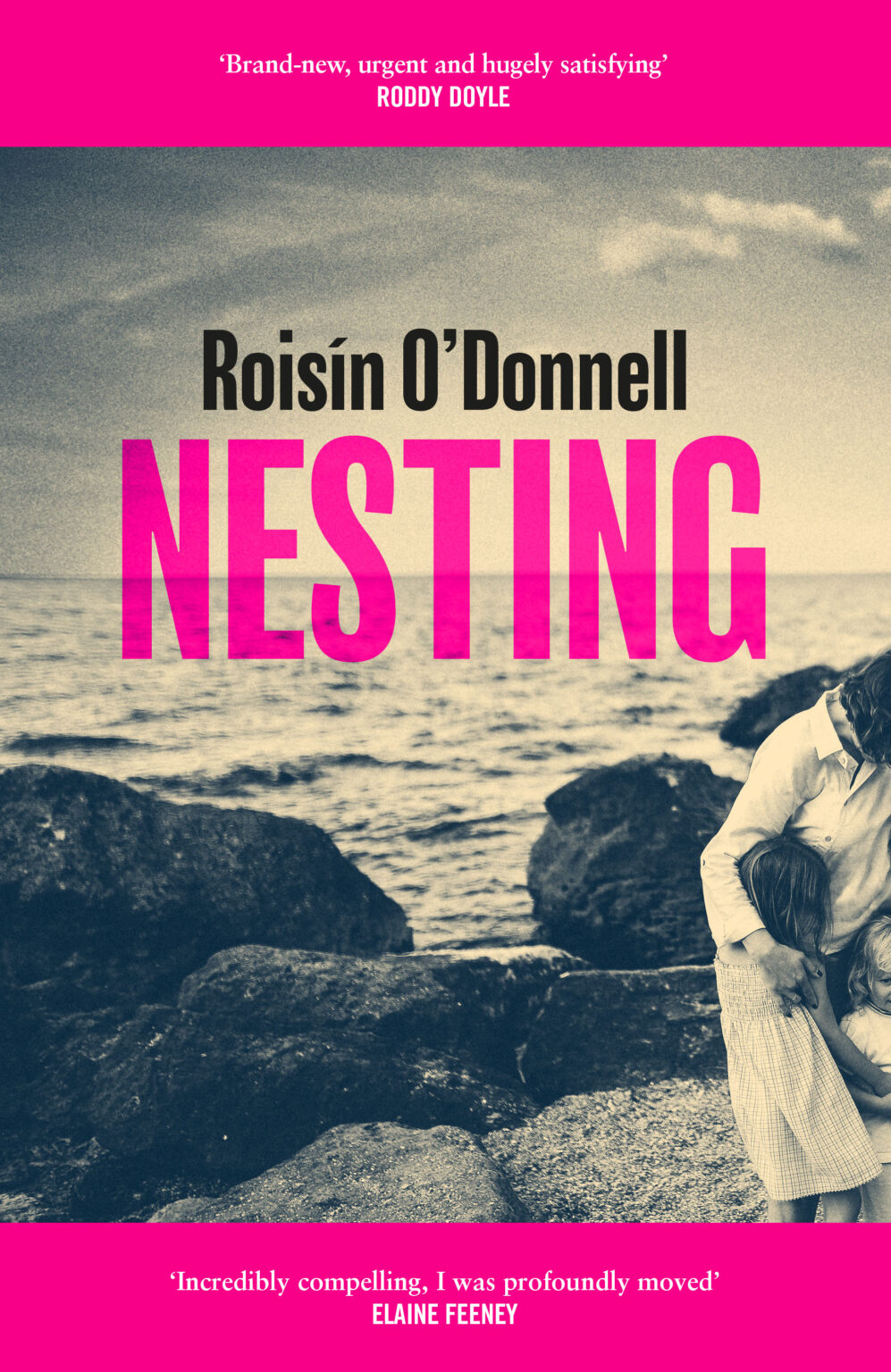
An extraordinary and urgent debut by a prize-winning Irish writer, NESTING introduces an unforgettable new voice in fiction.
On a bright spring afternoon in Dublin, Ciara Fay makes a split-second decision that will change everything. Grabbing an armful of clothes from the washing line, Ciara straps her two young daughters into her car and drives away. Head spinning, all she knows for certain is that home is no longer safe.
This was meant to be an escape. But with dwindling savings, no job, and her family across the sea, Ciara finds herself adrift, facing a broken housing system and the voice of her own demons. As summer passes and winter closes in, she must navigate raising her children in a hotel room, searching for a new home and dealing with her husband Ryan’s relentless campaign to get her to come back. Because leaving is one thing, but staying away is another.
What will it take for Ciara to rebuild her life? Can she ever truly break away from Ryan’s control – and what will be the cost? Tense, beautiful, and underpinned by an unassailable love, hope and resilience, this is the story of one woman’s bid to start over.
A Little Trickerie by Rosanna Pike (UK)
“It is about the wonderful Tibb Ingleby, who is a heroine of epic proportions. It is wonderful, charming brilliant, it is almost Chaucerian.”

Born a vagabond, Tibb Ingleby has never had a roof of her own. But her mother has taught her that if you’re not too bound by the Big Man’s rules, there are many ways a woman can find shelter in this world. Now her ma is dead in a trick gone wrong and young Tibb is orphaned and alone.
As she wends her way across the fields and forests of medieval England, Tibb will discover there are people who will care for her, as well as those who mean her harm. And there are a great many others who are prepared to believe just about anything.
And so, when the opportunity presents itself to escape the shackles society has placed on them, Tibb and her new friends conjure an audacious plan: her greatest trickerie yet. But before they know it, their hoax takes on a life of its own, drawing crowds – and vengeful enemies – to their door…
A Little Trickerie is blazingly original, disarmingly funny and deeply moving. Portraying a side of Tudor England rarely seen, it’s a tale of belief and superstition, kinship and courage, with a ragtag cast of characters and an unforgettable and distinctly unangelic heroine.
Birding by Rose Ruane (Scotland)
“So this book really speaks to the reality of being a woman, not just now, but also coming of age in the 90’s, and the noughties. I highlighted the whole thing on my kindle.”

In a small seaside town, autumn edges into winter, gulls ride winds over the waves, and two women pass each other on the promenade, as yet unaware of each other’s existence.
In the 90’s Lydia was a teen pop star, posed half naked on billboards with a lollipop, , letting the world happen to her. Now, three decades later, Lydia is less sure that what happened to her was okay. The news cycle runs hot with #MeToo stories, and a former lover has emerged with a self-serving apology, asking her to forgive him. Suddenly, the past is full of trapdoors she is trying not to fall through.
Joyce, in middle age, has never left home. She lives with her mother Betty. With matching dresses, identical hairdos and makeup, they are the local oddballs. Theirs is a life of unerring routine: the shops, biscuits served on bone china plates, dressing up for a gin and tonic on Saturday. One misstep from Joyce can ruin Betty’s day; so Joyce treads carefully. She has never let herself think about a different kind of life. But recently, something like anger is asserting itself, like a caged thing realising it should escape.
Amid grey skies, amusement parks and beauty parlours of a run-down seaside resort, these two women might never meet. But as they try to untangle the damaging details of their past in the hope of a better future, their lives are set on an unlikely collision course.
With mordant wit and lyrical prose, Birding asks if we can ever see ourselves clearly or if we are always the unreliable narrators of our own experiences. It is a story about the difference between responsibility and obligation, unhealthy relationships and abusive ones, third acts and last chances, and two women trying to take flight on clipped wings.
The Artist by Lucy Steeds (UK)
“Set during the First World War in Provence, it’s about a journalist who goes to interview a reclusive and eminent artist. The writing is beautiful, the description of the art is immersive. I could smell the paint, feel the fabrics, and see the light in the studio.”

PROVENCE, 1920 – Ettie moves through the remote farmhouse, silently creating the conditions that make her uncle’s artistic genius possible.
Joseph, an aspiring journalist, has been invited to the house. He believes he’ll make his name by interviewing the reclusive painter, the great Edouard Tartuffe.
But everyone has their secrets. And, under the cover of darkness, Ettie has spent years cultivating hers. Over this sweltering summer, everyone’s true colours will be revealed. Because Ettie is ready to be seen. Even if it means setting her world on fire.
Tell Me Everything by Elizabeth Strout (US)
“It’s a story about ordinary people and their stories are so wonderfully woven together here. It’s a book with a real symphonic feel, full of emotional truth, intimate conversation, and propulsive energy.”

A hopeful, healing novel about new friendships, old loves, and the very human desire to leave a mark on the world, from the Pulitzer Prize-winning, Women’s Prize longlisted author.
It’s autumn in Maine, and the town lawyer Bob Burgess has become enmeshed in an unfolding murder investigation, defending a lonely, isolated man accused of killing his mother. He has also fallen into a deep and abiding friendship with the acclaimed writer, Lucy Barton, who lives nearby in a house next to the sea. Together, Lucy and Bob talk about their lives, hopes and regrets, what might have been. Lucy befriends one of Crosby’s longest inhabitants, Olive Kitteridge, now living in a retirement community on the edge of town. They spend afternoons together, telling each other stories about people they have known – “unrecorded lives,” Olive calls them – reanimating them, and, in the process, imbuing their lives with meaning.
Brimming with empathy and pathos, TELL ME EVERYTHING is Elizabeth Strout operating at the height of her powers, illuminating the ways in which our relationships keep us afloat. As Lucy says, “Love comes in so many different forms, but it is always love.”
The Safekeep by Yael van der Wouden (The Netherlands)
“The writing is next level. It is a beautiful story about a character, who, is, to begin with at least, not likeable. And it’s a story that has not been told before, and yet something we all feel we should know. It’s great.”
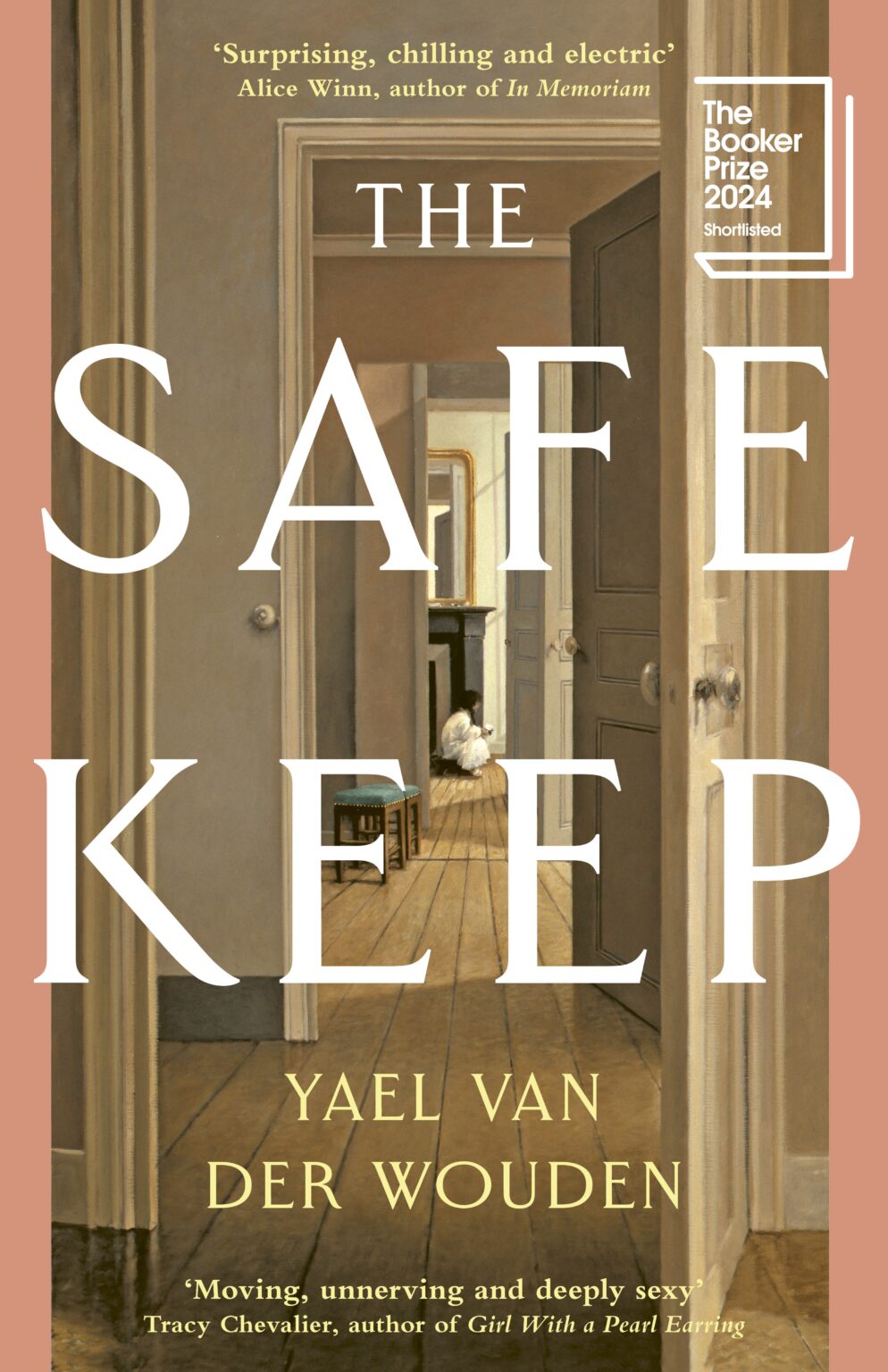
An exhilarating tale of twisted desire, histories and homes, and the unexpected shape of revenge – for readers of Patricia Highsmith, Sarah Waters and Ian McEwan’s Atonement.
It is fifteen years after the Second World War, and Isabel has built herself a solitary life of discipline and strict routine in her late mother’s country home, with not a fork or a word out of place. But all is upended when her brother Louis delivers his graceless new girlfriend, Eva, at Isabel’s doorstep – as a guest, there to stay for the season…
In the sweltering heat of summer, Isabel’s desperate need for control reaches boiling point. What happens between the two women leads to a revelation which threatens to unravel all she has ever known.
Fundamentally by Nussaibah Younis (Iraq/UK)
“It’s a complex story about the bureaucracy of the UN. It opened up for me, a world I’d never ever thought about. It’s irreverent, it’s funny, it’s clever and it’s really enjoyable.”

‘By normal, you mean like you? A slag with a saviour complex?’
Nadia is an academic who’s been disowned by her puritanical mother and dumped by her lover, Rosy. She decides to make a getaway, accepting a UN job in Iraq. Tasked with rehabilitating ISIS women, Nadia becomes mired in the opaque world of international aid, surrounded by bumbling colleagues.
Sara is a precocious and sweary East Londoner who joined ISIS at just fifteen.
Nadia is struck by how similar they are: both feisty and opinionated, from a Muslim background, with a shared love of Dairy Milk and rude pick-up lines. A powerful friendship forms between the two women, until a secret confession from Sara threatens everything Nadia has been working for.
A bitingly original, wildly funny and razor-sharp exploration of love, family, religion and the decisions we make in pursuit of belonging, Fundamentally upends and explores a defining controversy of our age with heart, complexity and humour.
What Do We Think of the Longlist?
There is a lot to delve into here, lots of new authors and diversity in terms of backgrounds and influences, which is exciting.
I haven’t read any on the list, but I am definitely going to be reading Chimamanda Ngozi Adichie’s Dream World and I’m interested in Nesting, Amma, Good Girl. I know Tell Me Everything will be excellent, having already read Olive Kitteridge, My Name is Lucy Barton, Anything is Possible and The Burgess Boys.
Let me know in the comments which titles you have enjoyed or a hoping to read.
Women’s Prize for Fiction Shortlist 2025
The shortlist will be announced on April 2nd and the winner of both the non-ficton and the fiction prize will be revealed on June 12th, 2025.



 Word by Word