
In my library picks, I picked up a Maggie O’Farrell novel from her backlist, not one of her historical fiction novels of recent years, more of a Gothic mystery set in mid 20th century Scotland, in and around Edinburgh.
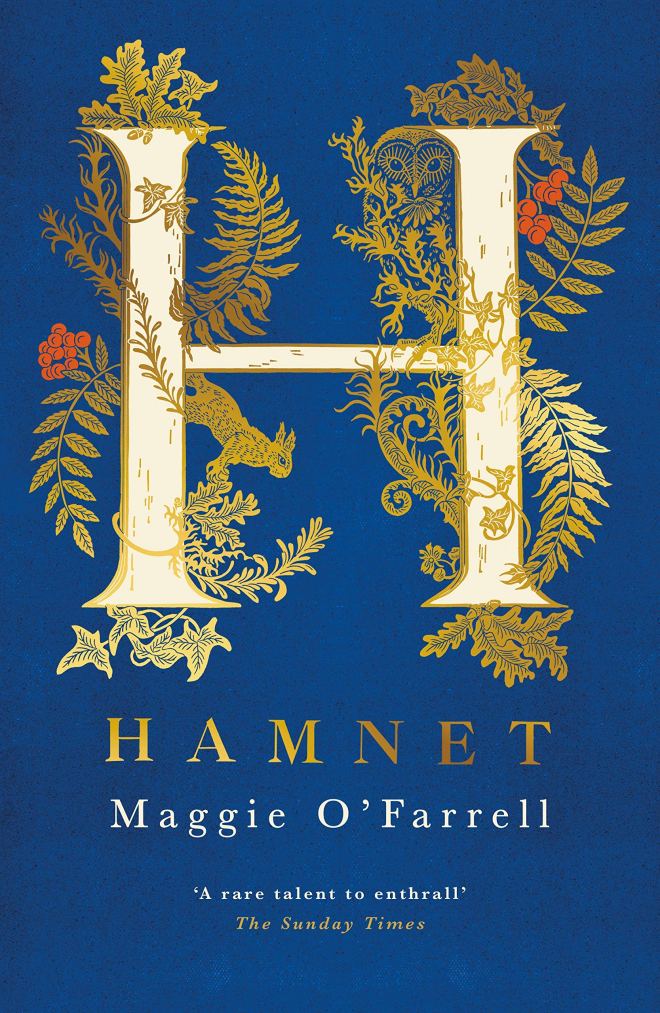
With another work of historical fiction due in 2026 ‘Land‘ set in 1860’s Ireland, and now the recent success of the film ‘Hamnet‘, her star is firmly set in the ascendant.
A Gothic Mystery in Edinburgh
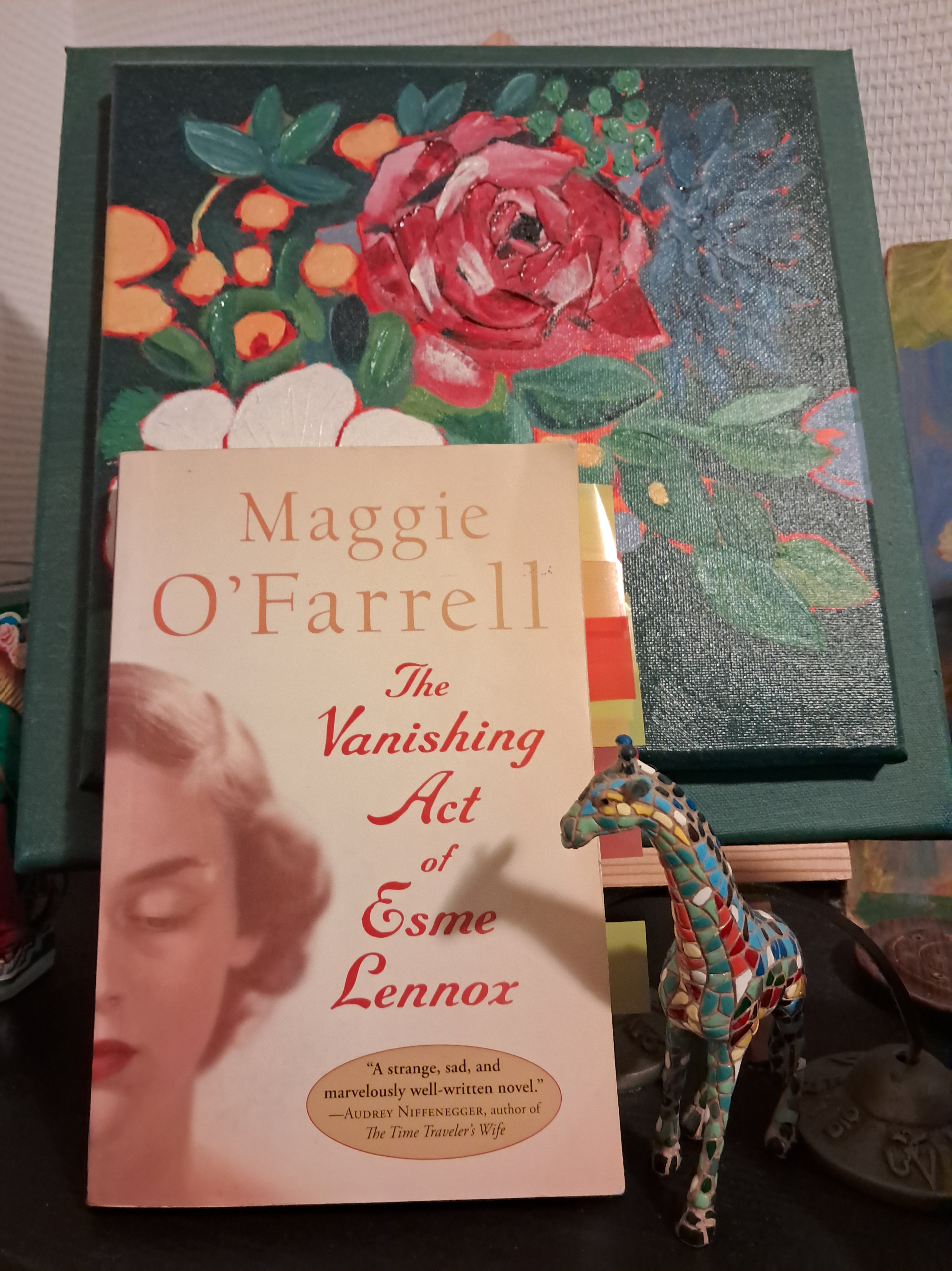
Set in twin timelines, early 1900’s and early 2000’s, it tells the story of a family that returns from India after a tragic loss. Two sisters who were born there are abruptly brought to Scotland, to live in the household of a strict and rigidly corseted upper-middle class family, ruled by a grandmother in an environment that free-spirited Esme Lennox neither fits nor readily accepts conforming to.
As she gets in trouble, her sister sees her own opportunity and makes decisions that will cast long shadows on the family for decades.
Modern Life, Modern Dilemmas
In the early 2000’s, Iris runs a shop and has complex relationships with her brother and an unavailable man Luke she met at a wedding. Into this already complex life, a telephone call informs that she is the next of kin of a resident of the Cauldstone Hospital, a woman they claim is her grandmother Kitty’s sister, despite Iris believing her grandmother had been an only child. She is asked to come to an appointment where all shall be revealed.
Meanwile Esme’s world is about to change, though in another sense she is returning to where it all started.
Esme takes one last look at the driveway and sees a woman who used to have the bed next to her, standing beside a brown car. An old man is stowing a suitcase in the boot. The woman is weeping and peeling off her gloves. The man doesn’t look at her. Esme turns and starts climbing the stairs.
Family Secrets and Omissions
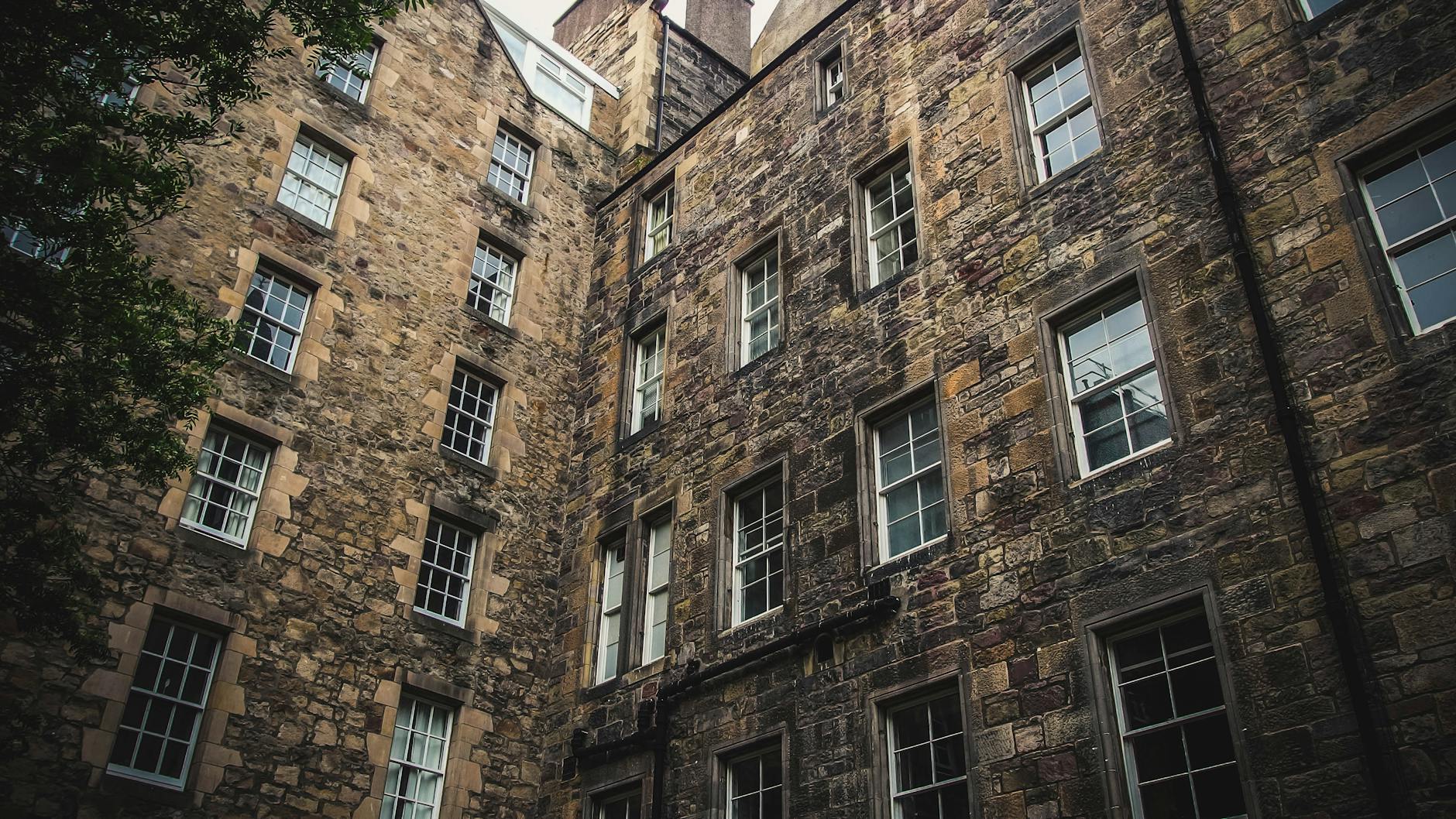
Iris’s grandmother Kitty is in care and hardly remembers her grand-daughter. They haven’t been close since she was a child, when she seemed to turn against the child.
Iris visits the long-stay psychiatric hospital and learns more about her grandmother’s secret affairs that appear to have been signed over to her without her knowledge or consent.
‘I have here a copy of a document lodged with us by her solicitor, signed by Mrs Lockhart, naling you as the family member to be contacted about affairs pertaining to one Euphemia Esme Lennox, her sister.’
Iriss is really cross now. ‘She doesn’t have a sister.’
There is a pause in which Iris can hear the man moving his lips over his teeth. ‘I’m afraid I must contradict you,’ he says eventually.
No one in her family has heard of this woman, her mother lives abroad, her father is no longer living and her grandmother Kitty has Alzheimers. And the hospital is closing down. If arrangements aren’t made with family members the residents are to be moved to a hostel. Iris can’t possibly take on the responsibility, but she is curious about who this woman is and why she has been left in this place.
‘It’s not unusual for patients of ours to…shall we say, fall out of sight. Euphemia has been with us a long time.’
‘How long exactly?’
Lasdun consults his file, running a finger down the pages. The social worker coughs and leans forward. ‘Sixty years, I believe, Peter, give or take -‘
‘Sixty years?’ Iris almost shouts. ‘In this place? What’s wrong with her?’
The novel concurrently tells the story of those defining circumstances in Esme’s early years that lead to her being sent to the hospital, and Iris’s determination to get to the bottom of what of her grandmother did or didn’t know.
But before she can do this, she will meet and consider whether or not to take in this great Aunt and try to find something out from her grandmother, whose mind is no longer in ordinary reality.
Why Deny Sisterhood?
When Iris brings Esme to her apartment, it becomes clear that she recognises it, she too has lived there.
She cannot fathom the strangeness of all this. She has acquired a relative. A relative who knows her home better than she does.
‘Which was your room?’ she asks.
Esme turns. She points. ‘The floor below. The one overlooking the street. It was mine and Kitty’s. We shared.’
Girls’ Behaviours and Predicaments
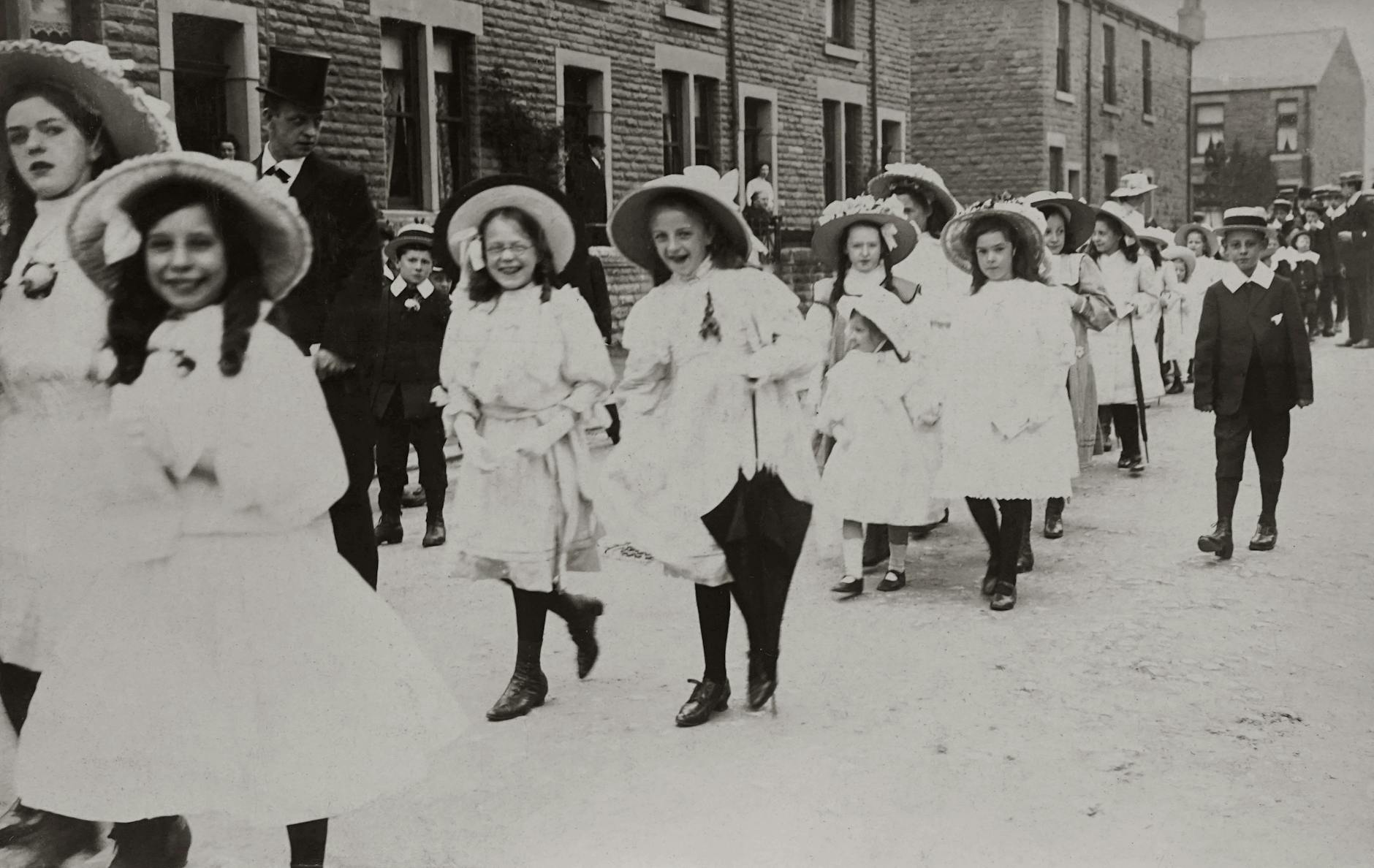
The novel contrasts modern life in Edinburgh, depicting Iris’s unconventional but common behaviours with the rigid social norms of early-20th-century Scotland, especially around outspokenness, sexuality, consent and judgement. Any breach of these norms by girls was considered a form of madness and could result in them being committed to a psychiatric institution. The Edwardian era epitomised rigid class structures, strict gender expectations and a superficial elegance that masked deep social control.
Maggie O’Farrell imagines two girls who were not born into those social norms, but come into them later in childhood, and what happens to them after coming from a different culture, even though their parents were from that Scottish background. It seems unbelievable and yet we know it was very common for such situations to happen.
It’s an immersive page-turner and shocking portrayal of misdiagnosis, patriarchal control and the devastating lack of female solidarity, where women choose safety, respectability, compliance and/or silence over loyalty. This silence continues to be inherited in successive generations rather than challenged.
Highly Recommended.
Have you read The Vanishing Act of Esme Lennox? Do you have a favourite Maggie O’Farrell novel?
Let us know what you think in the comments below.
Further Reading


Reviewed here:
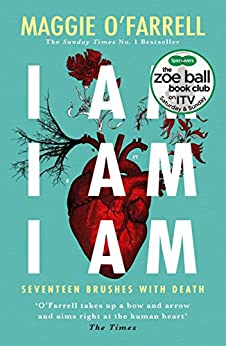
I Am, I Am, I Am: 17 Brushes With Death, A Memoir
Author Maggie O’Farrell
MAGGIE O’FARRELL was born in 1972 in Coleraine, Northern Ireland and grew up in Wales and Scotland. Currently, she lives in Edinburgh.
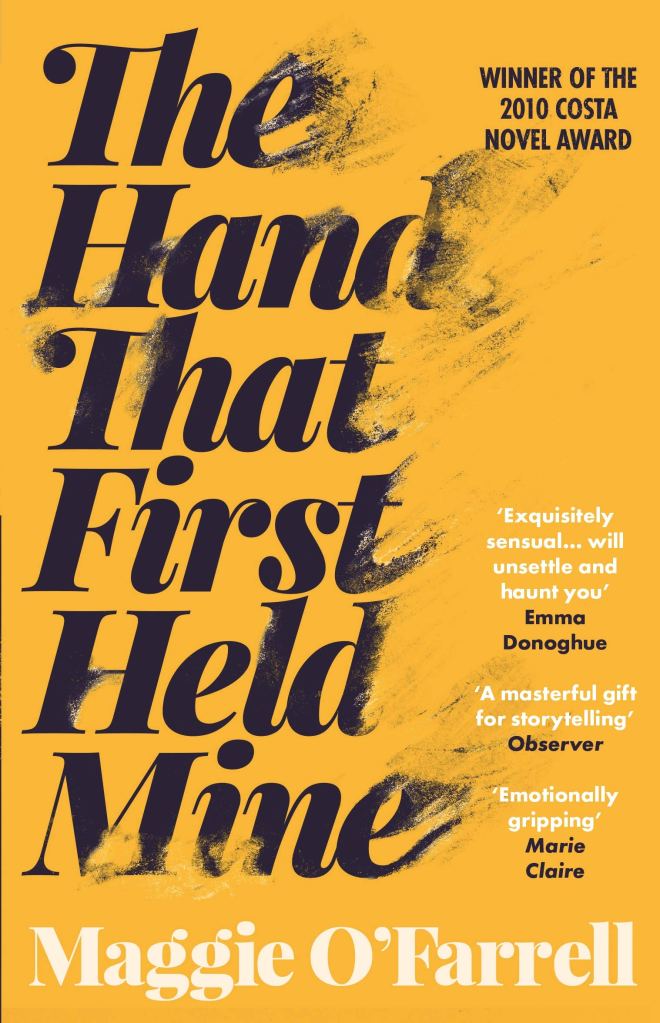
Her novels include Hamnet (winner of the National Book Critics Circle Award), The Marriage Portrait, After You’d Gone, The Vanishing Act of Esme Lennox, The Hand That First Held Mine (winner of the Costa Novel Award), and Instructions for a Heatwave. She has also written a memoir, I Am, I Am, I Am: Seventeen Brushes with Death.
Hamnet, which imagined the untold story of Shakespeare’s son, won the 2020 Women’s Prize for Fiction and was Waterstones’ Book of the Year and is now feature film.
 Although I was aware that this book won the popular Costa First Novel Book Award in 2019, I became intrigued to read it after listening to the author Sara Collins
 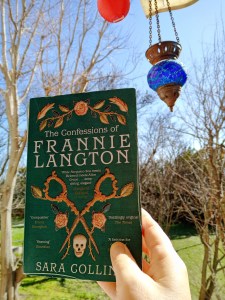 The first part of the book is set in Jamaica as Frannie narrates her story, although the opening pages are set in The Old Bailey courthouse, from where she sits accused of murder and in this short narrative, she addresses “you” the person she is telling this story, her lawyer.
 Word by Word